Press releases
Address by President Vahagn Khachaturyan at the Roundtable held within the Framework of the “Leaders for Nature” Summit


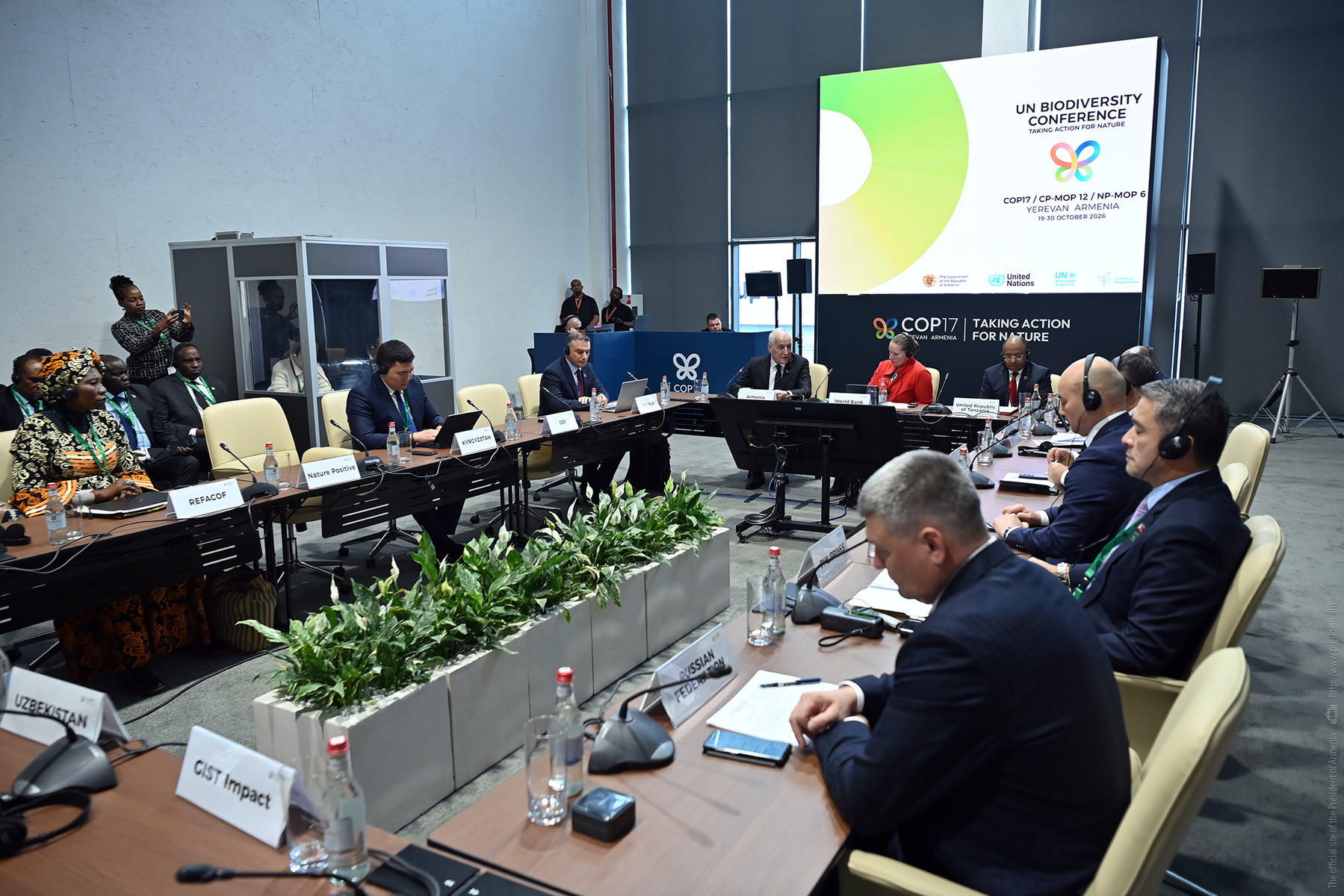
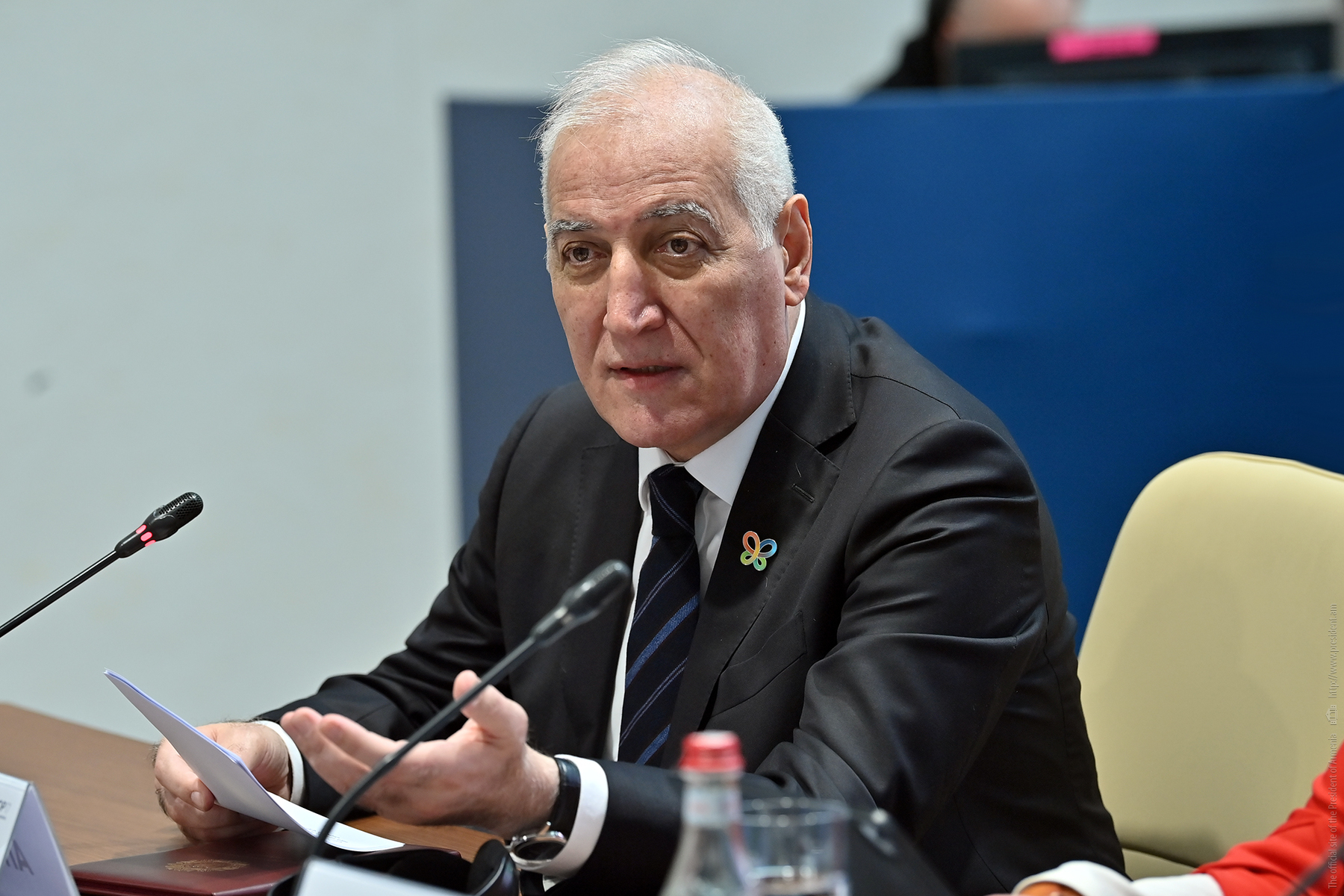
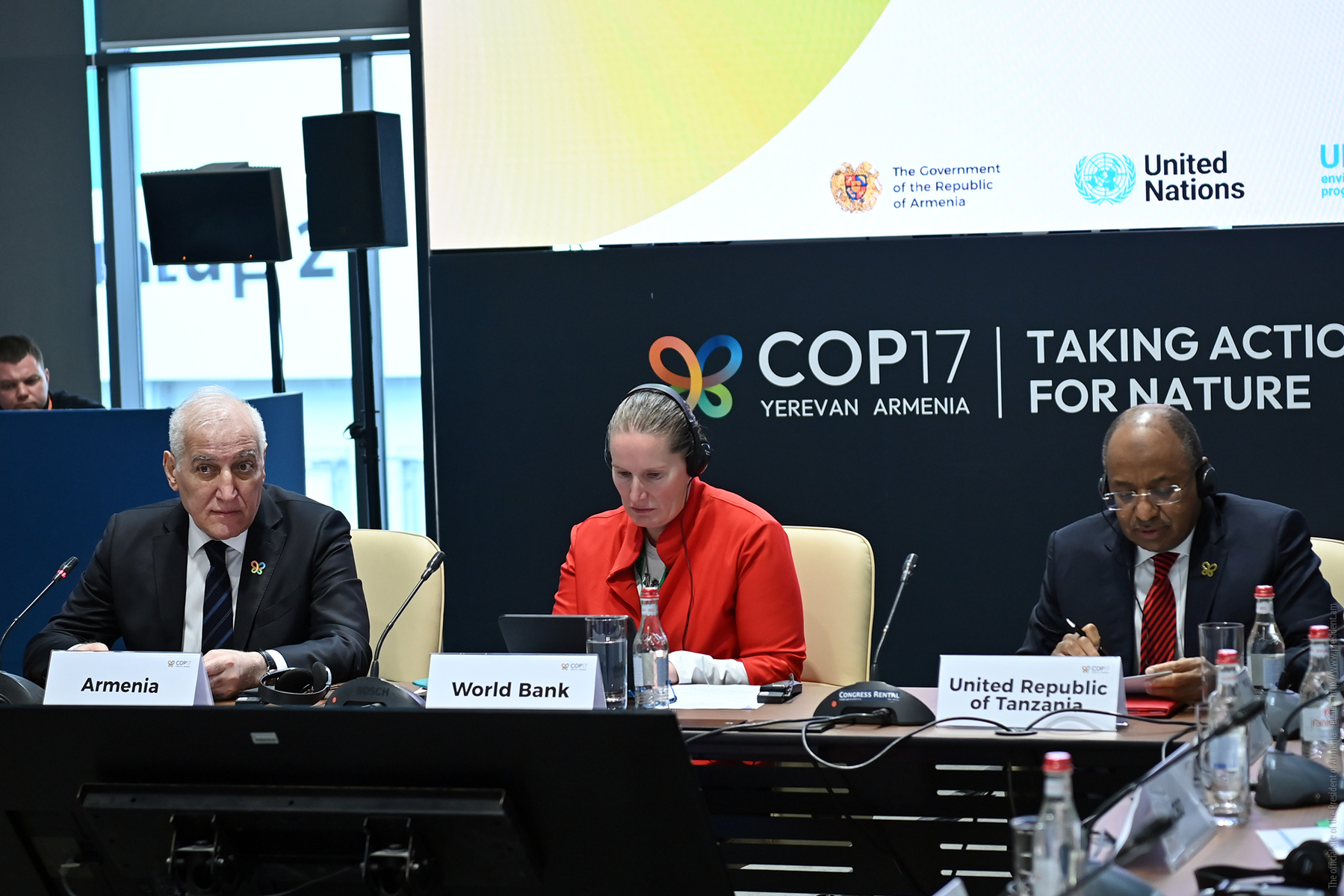

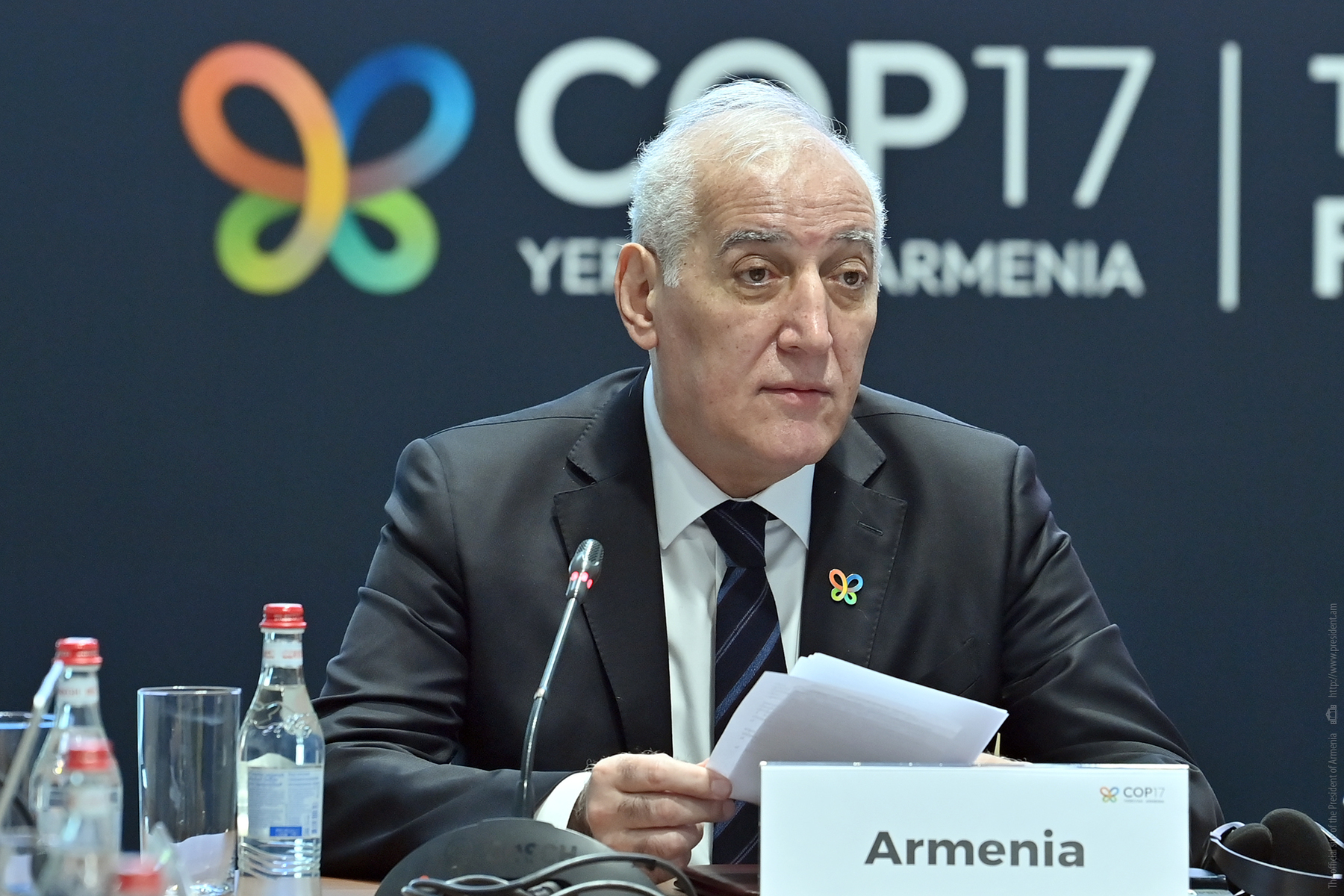

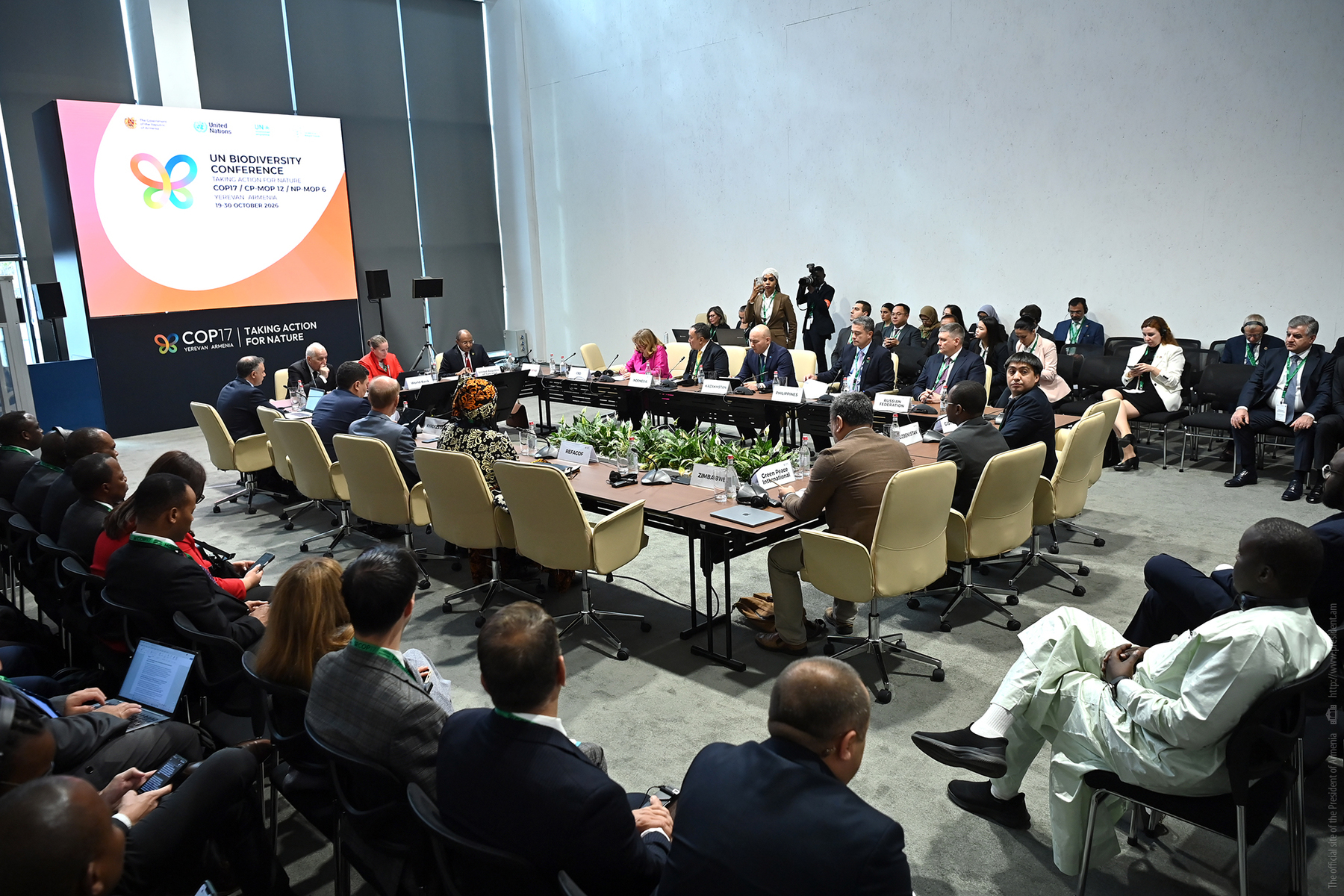
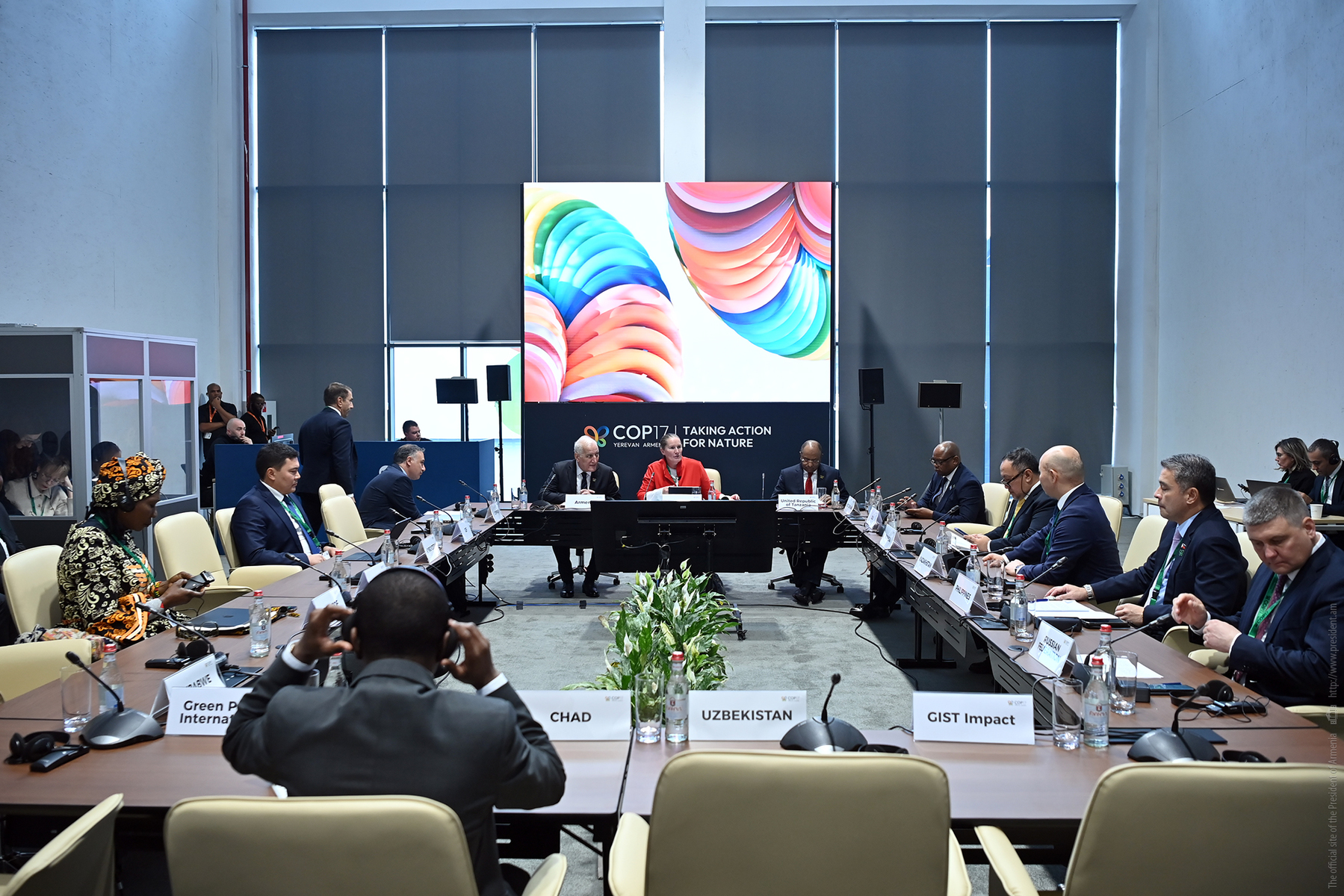
President of the Republic Vahagn Khachaturyan delivered an address at the roundtable entitled “Financing the Future: Redirecting Financial Flows towards Development that Supports Nature Conservation and Restoration,” held within the framework of the “Leaders for Nature” Summit.
Distinguished Heads of State and Government,
Dear colleagues,
Ladies and gentlemen,
I welcome you to Yerevan on the occasion of the “Leaders for Nature” Summit.
Today, we are discussing an issue that directly concerns the future of our countries: how to direct financial resources so that economic development does not come at the cost of continued nature loss, but instead contributes to its conservation and restoration.
This is not merely a matter of environmental policy; it concerns our economic development model, our public governance priorities, and our responsibility towards future generations.
For Armenia, nature is an integral part of our national wealth. Our water resources, forests, mountain landscapes, and other ecosystems are not only valuable components of the natural world but also fundamental to our sustainable development and public well-being.
The history of Lake Sevan is a vivid example. For decades, human intervention and the intensive use of the lake’s water resources led to a significant decline in its water level and the degradation of its ecosystem. Subsequent restoration efforts required years of work, substantial financial resources, and a revision of government policy.
This experience reminds us that decisions concerning the use of natural resources cannot be assessed solely in terms of their immediate economic returns. We must also consider their long-term consequences for the national economy, people’s living conditions, and nature.
Therefore, nature conservation must be an integral part of sustainable development policy. We must be able to assess not only what we create today, but also what we preserve for tomorrow.
Dear colleagues,
Economic development and nature conservation are often presented as conflicting objectives. Our goal is to ensure development in which economic growth, new investment, and job creation are compatible with the responsible use of natural resources and the preservation of ecosystems.
To achieve this, we must change not only our programmes but also the underlying approaches that guide public and private financial flows.
Today, we must ask ourselves whether our financial systems and economic incentives are helping to achieve the goals we have set ourselves. If, on the one hand, we finance nature and biodiversity restoration while, on the other, continuing to invest substantial resources in economic activities that contribute to their loss, we cannot expect long-term results. Consequently, the value of nature and the risks associated with its loss must be duly reflected in public budgetary policies, financial regulations, and investment decisions.
The State has a particularly important responsibility in this regard. It must establish a clear and predictable policy environment, reform economic incentives that harm nature, and encourage investments that create long-term value while preserving our natural wealth.
However, public funding alone is not enough. We also need the active participation of the business community, private investment, support from international financial institutions, and innovative financing solutions.
Our task is to bring these opportunities together and create conditions in which nature conservation and restoration become an integral part of economic decision-making. This requires cooperation among governments, financial institutions, investors, and businesses, as well as clear rules, transparency, and long-term accountability.
At the same time, we must recognize that economic transformation cannot succeed unless its social consequences are properly considered. Nature conservation policies must also create new opportunities for people and communities, ensuring that the costs of the transition do not disproportionately burden the most vulnerable groups.
Distinguished participants,
The Kunming-Montreal Global Biodiversity Framework, adopted in 2022, established clear goals for the international community: to halt biodiversity loss by 2030 and achieve a harmonious relationship with nature by 2050.
Today, our task is not simply to reaffirm these goals and targets. Our task is to ensure their practical implementation.
The first global review of collective progress shows that the measures taken so far remain insufficient, while financing continues to be one of the key challenges in implementing the Global Biodiversity Framework. This calls for more consistent policies, more effective financial instruments, and closer international cooperation.
Access to finance is particularly important for developing countries. Developing countries rich in biodiversity, especially least developed countries and small island developing states, must have genuine opportunities to mobilize the resources needed for its conservation and restoration. International cooperation must help turn these opportunities into concrete programmes and long-term investments, underpinned by the development of national capacities, scientific and technical cooperation, and access to technology.
Armenia attaches great importance to these issues, including in its capacity as the host country of the seventeenth meeting of the Conference of the Parties to the Convention on Biological Diversity (COP17).
We see COP17 as an opportunity to jointly assess the progress achieved, identify existing obstacles, including financing challenges, and agree on the practical steps needed to reach our goals by 2030.
We expect today’s discussion to contribute to this effort as well. It is important not merely to acknowledge the financing gap, but also to understand how we can redirect financial flows towards promoting nature-based solutions and ecosystem-based approaches. We must identify the policy measures needed to encourage private investment and promote public-private partnerships, as well as determine how to ensure that our economic decisions are aligned with nature conservation objectives.
The Yerevan Declaration can reflect this shared understanding by underscoring the importance of practical action, mutual responsibility, and international cooperation.
Dear colleagues,
Our future depends to a great extent on the decisions we make today. We are responsible not only for our countries’ current economic performance, but also for the natural environment and ecosystems we will leave for future generations.
Our objective must therefore be clear: to ensure that financial resources and economic policies serve as a model of development that simultaneously promotes human well-being, strengthens sustainable development, and protects nature and biodiversity.
Armenia stands ready to continue working in this direction with our international partners, both within the framework of COP17 and beyond.
I wish you a productive discussion and fruitful work.
Thank you.