Press releases
President Vahagn Khachaturyan delivered Remarks at the Annual Conference of Heads of the Diplomatic Missions of the Republic of Armenia
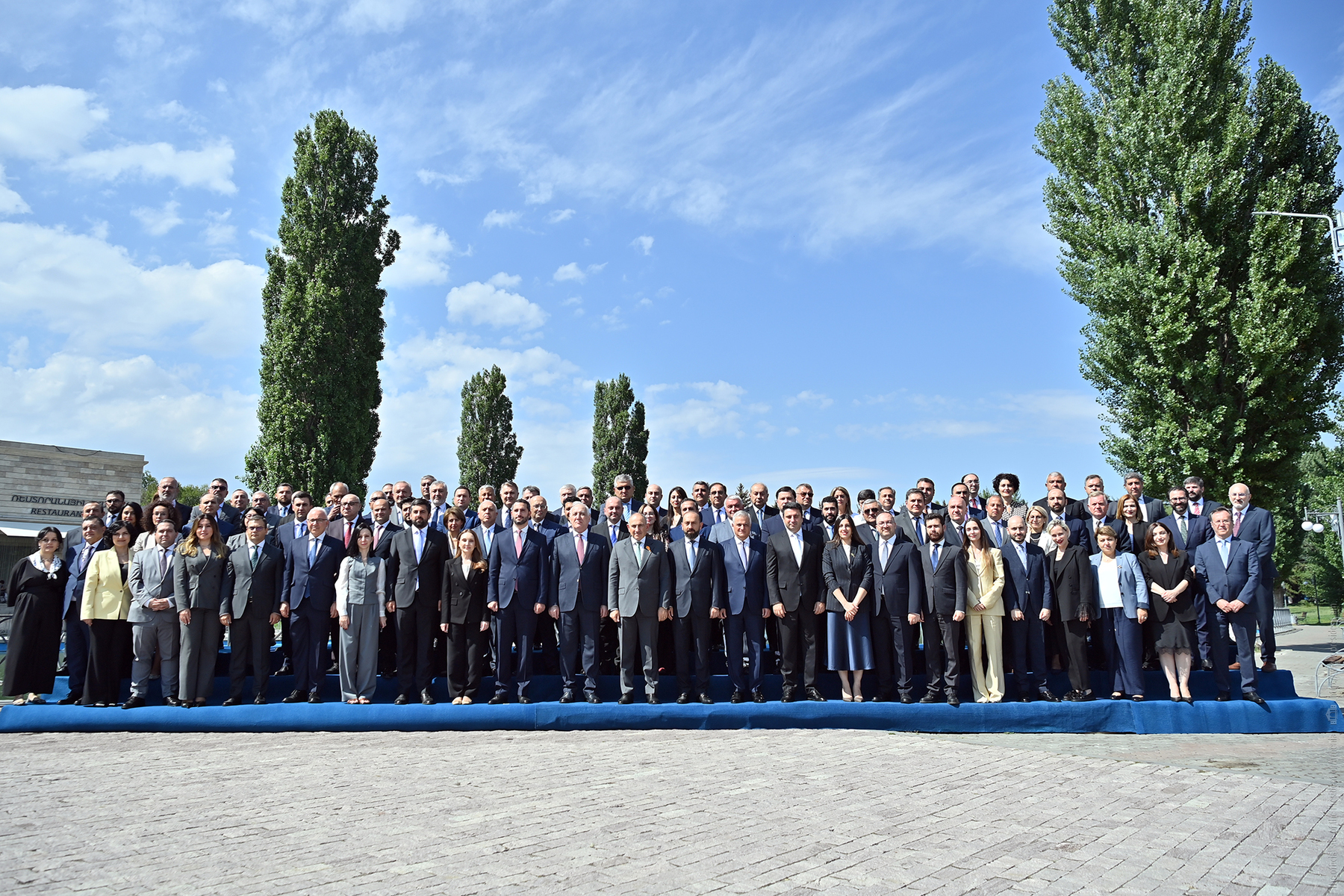
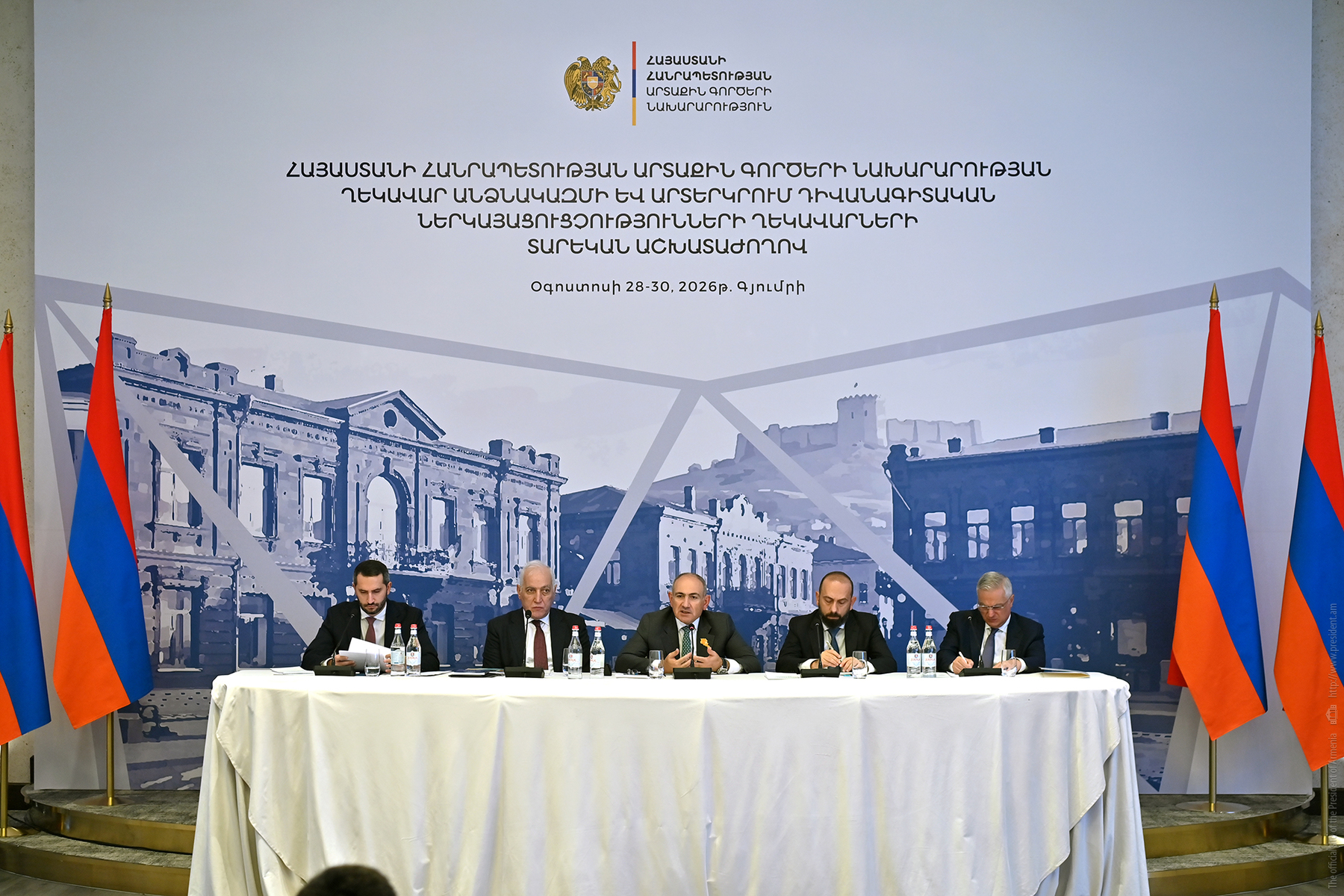
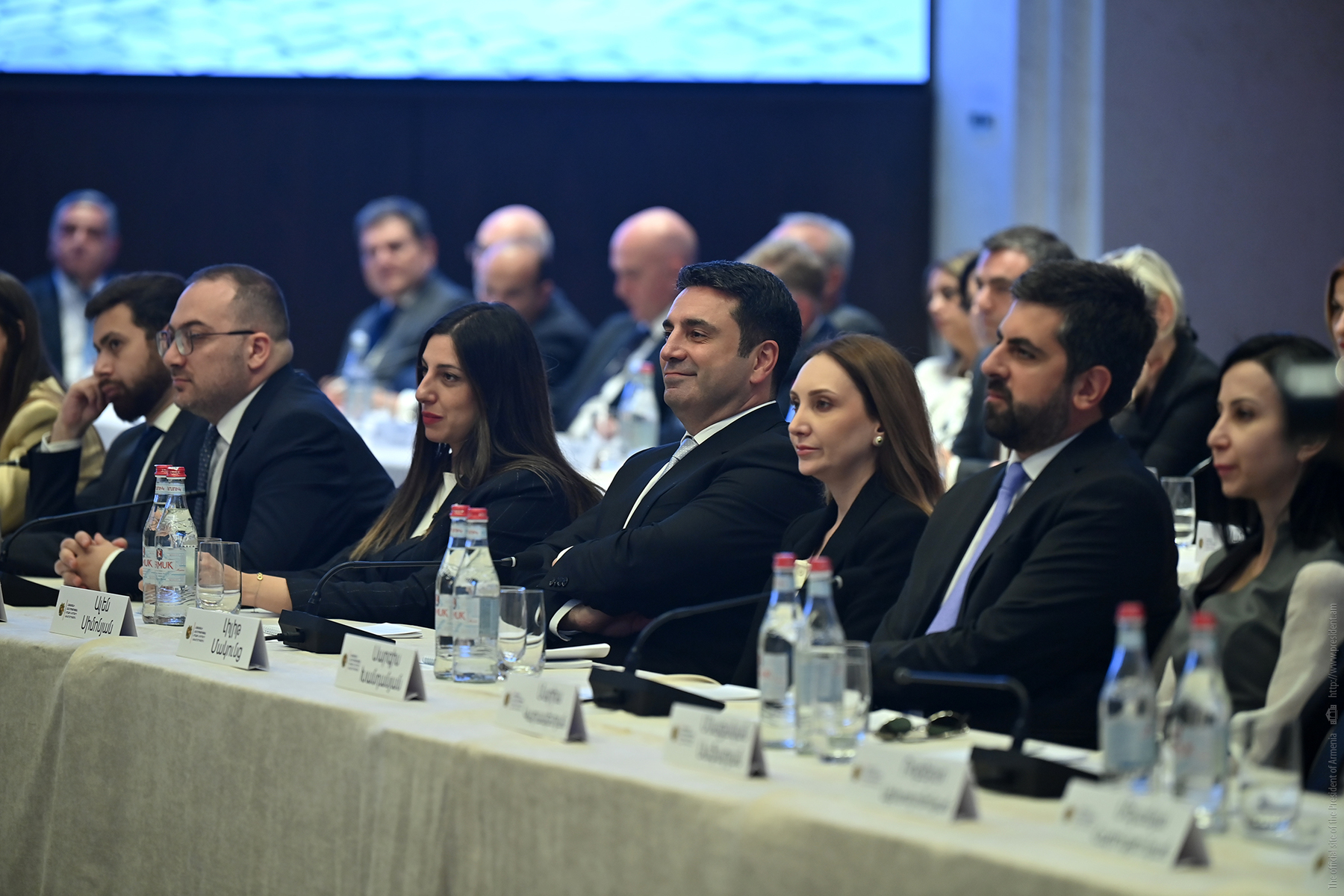
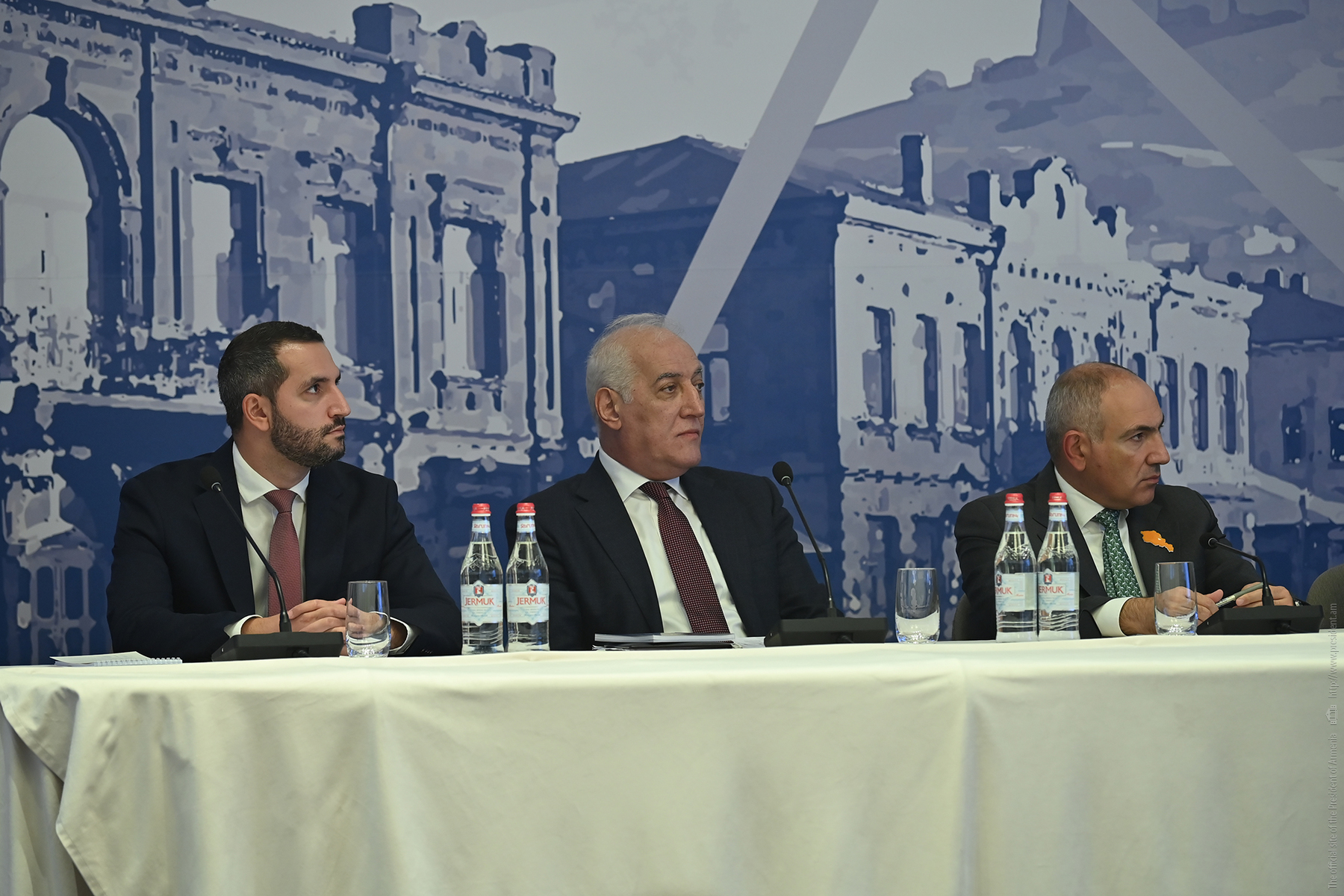
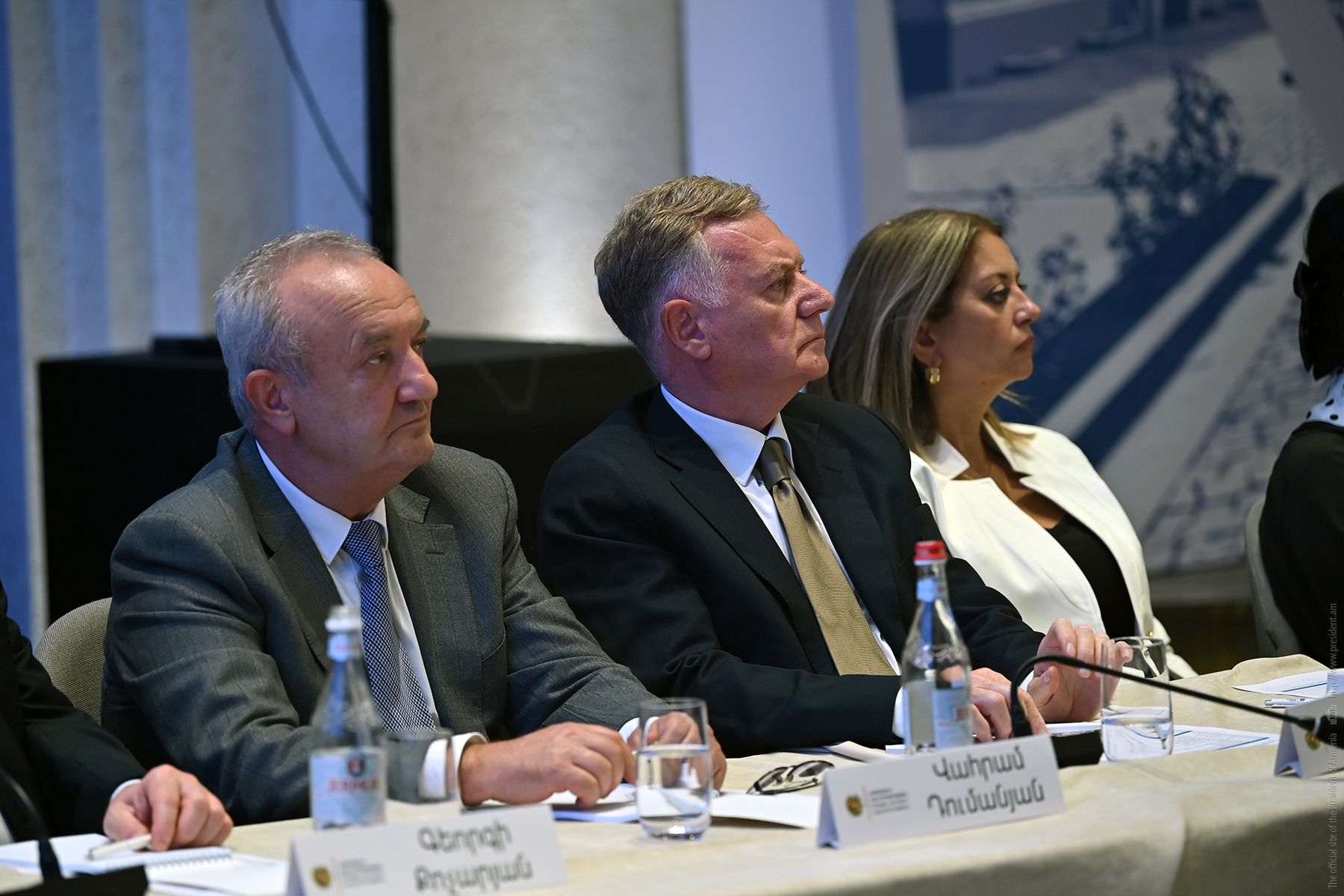
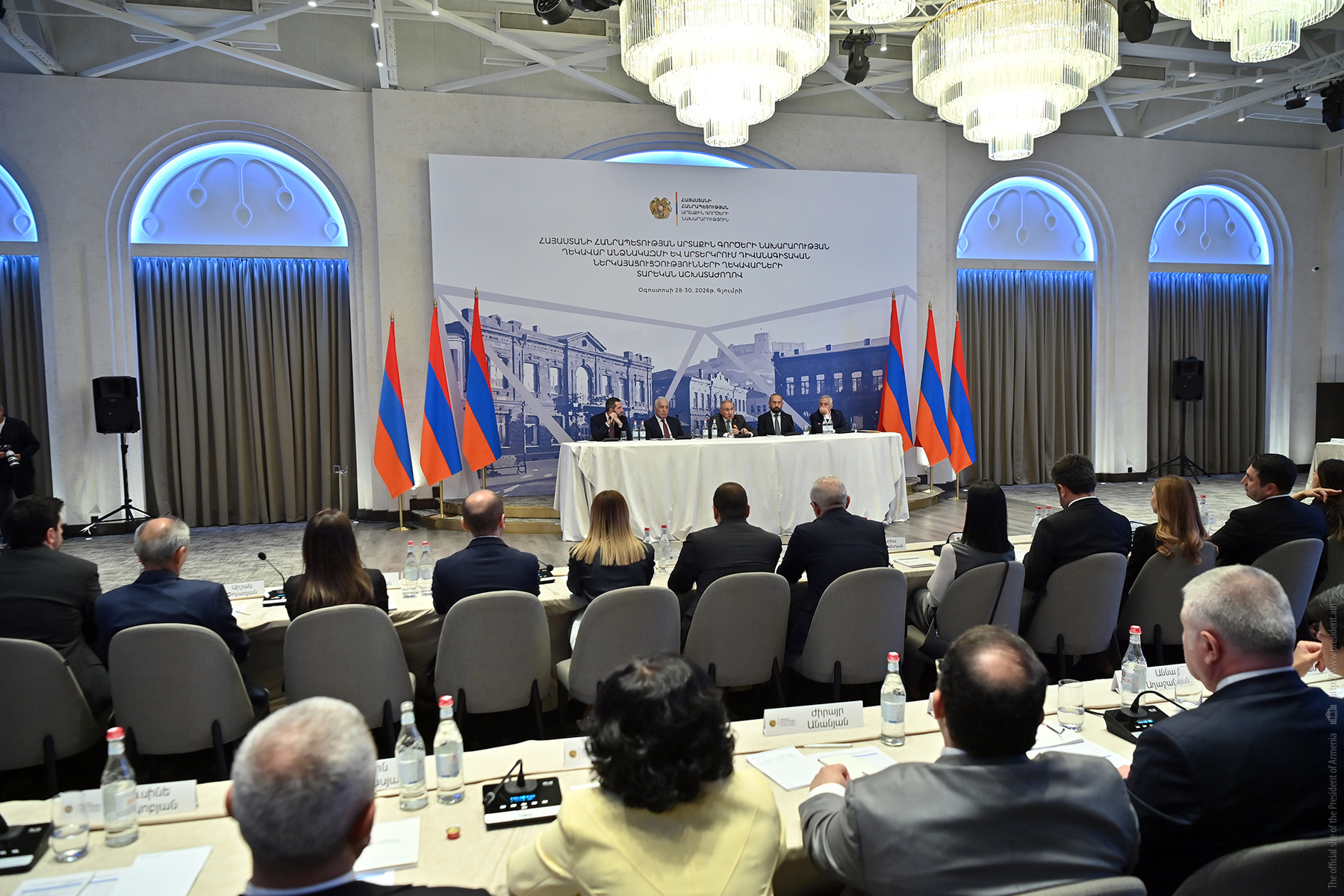
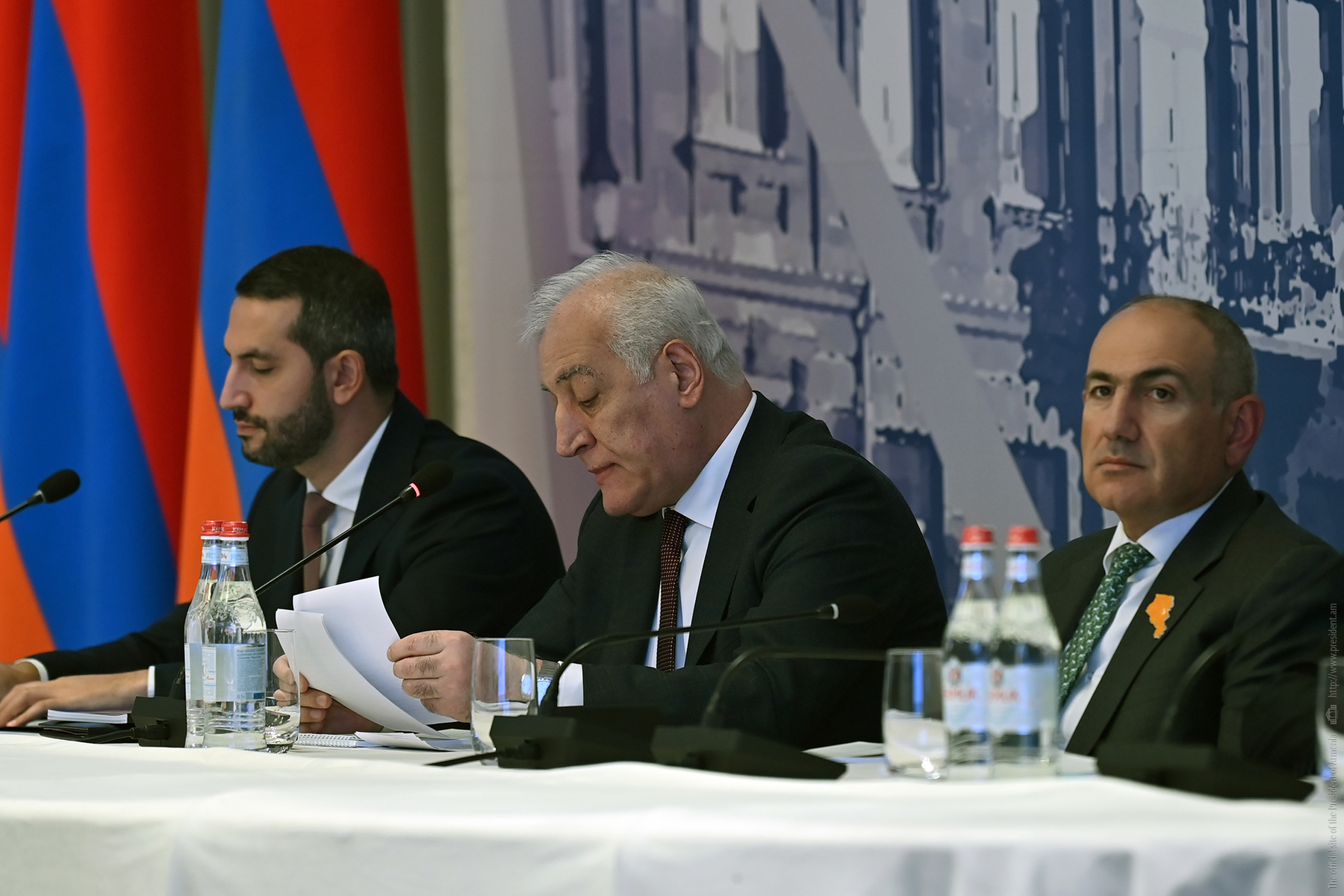
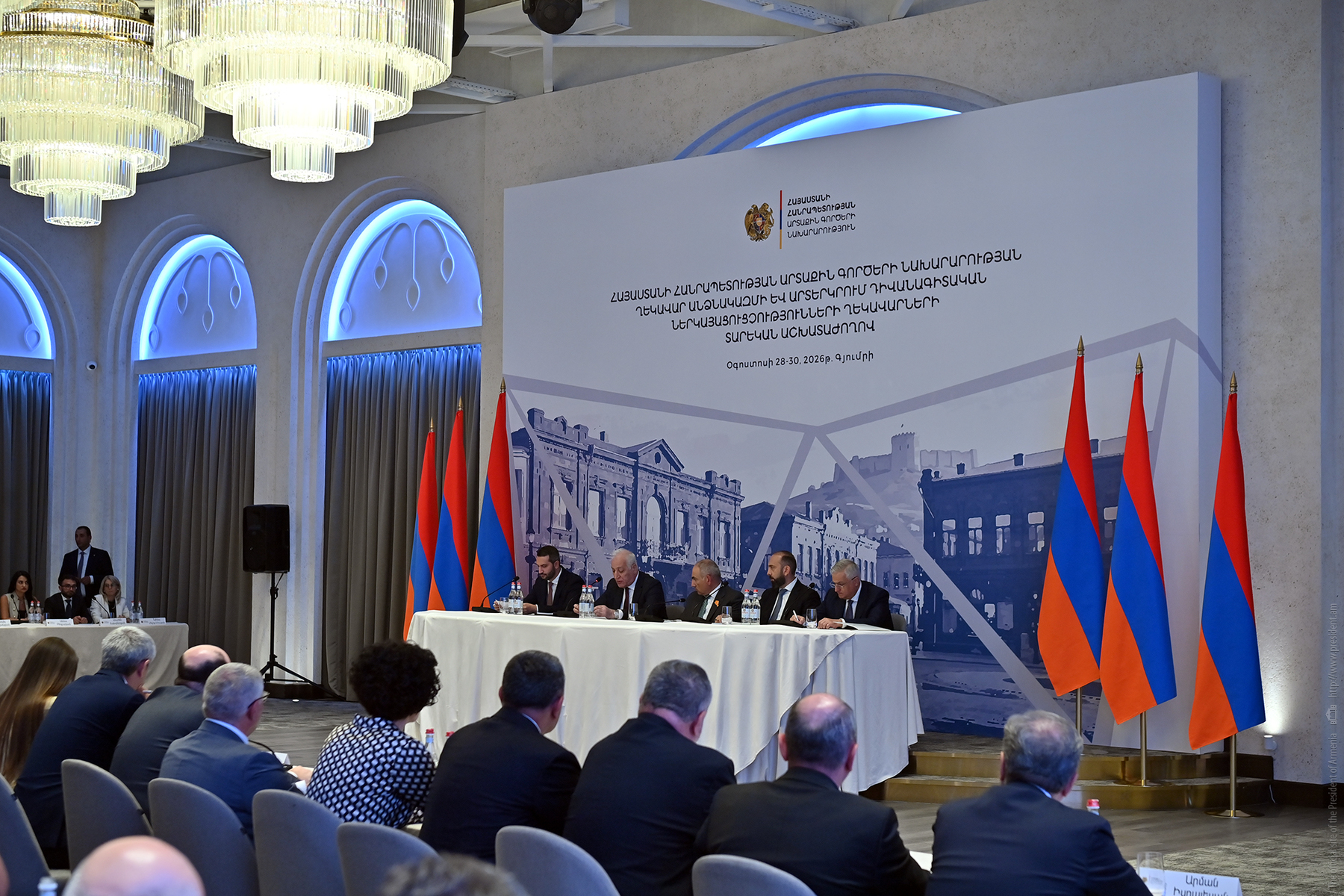
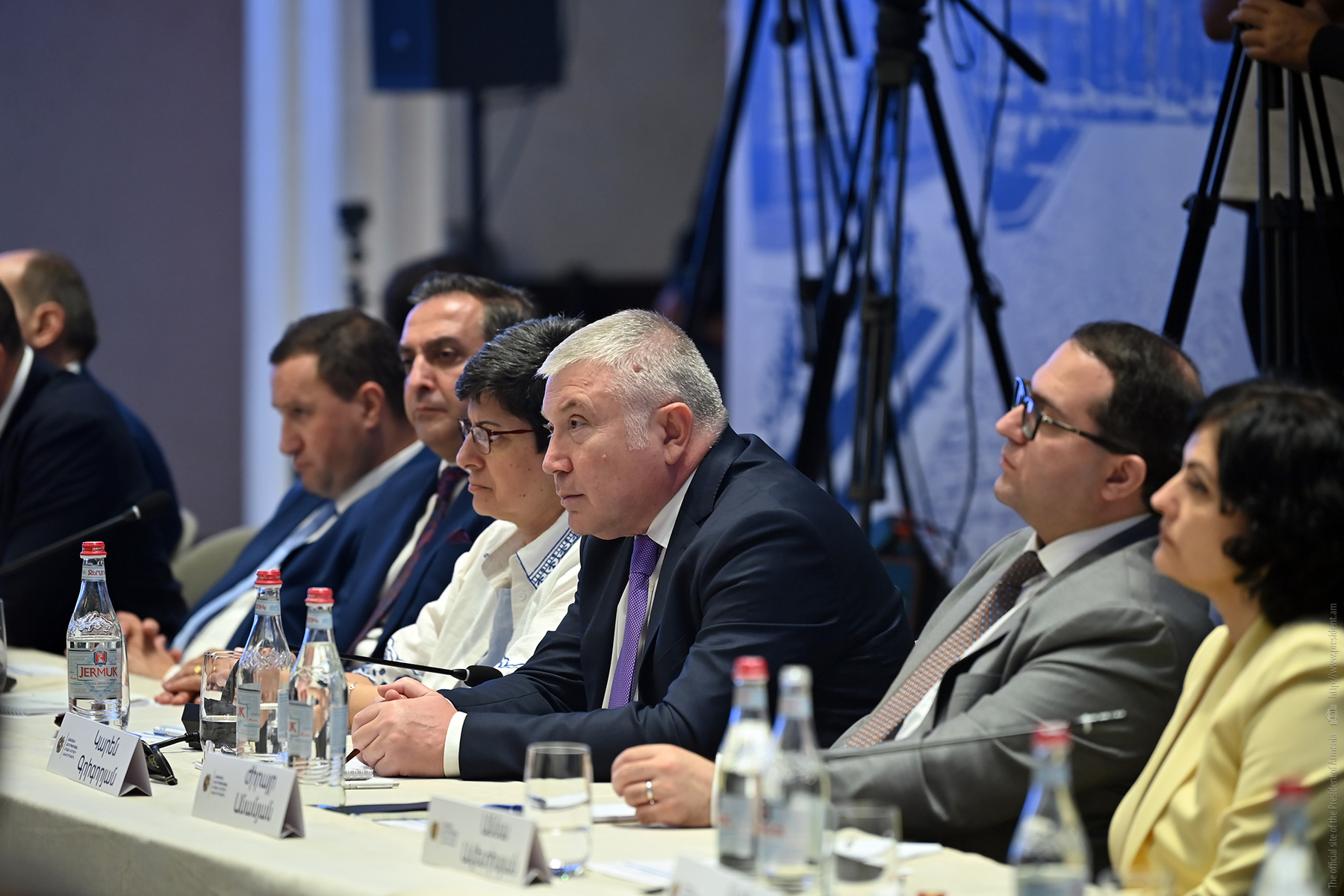
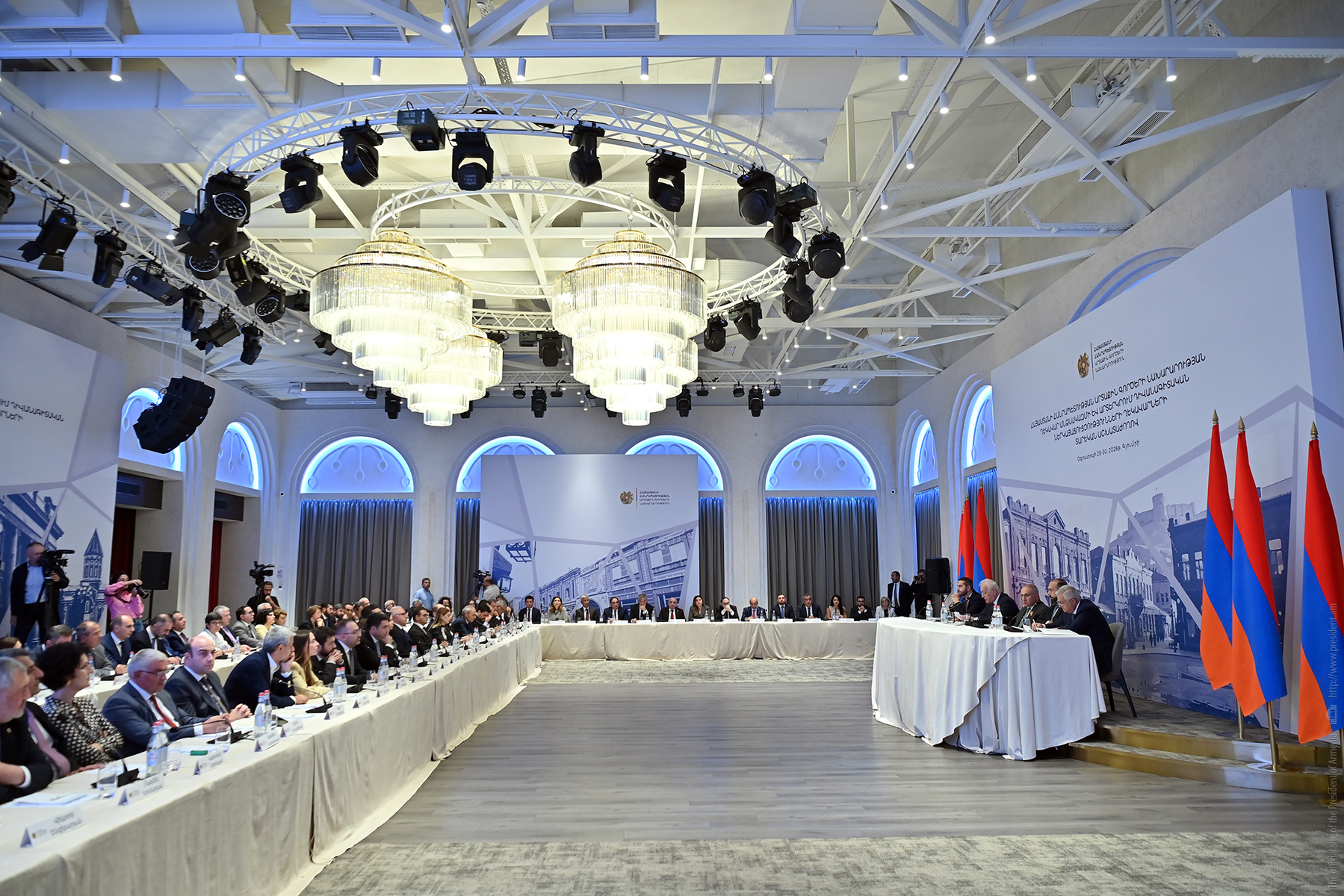
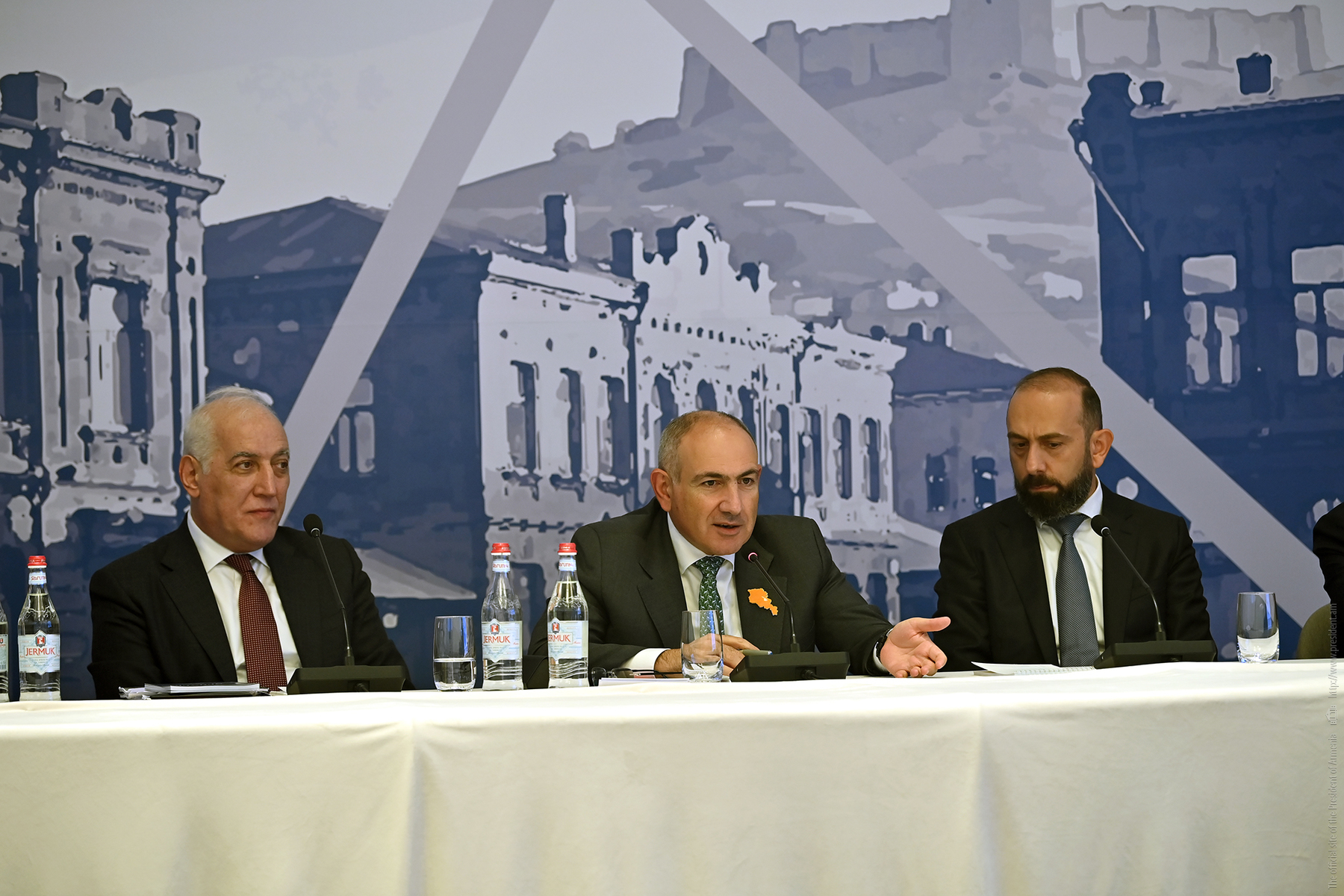
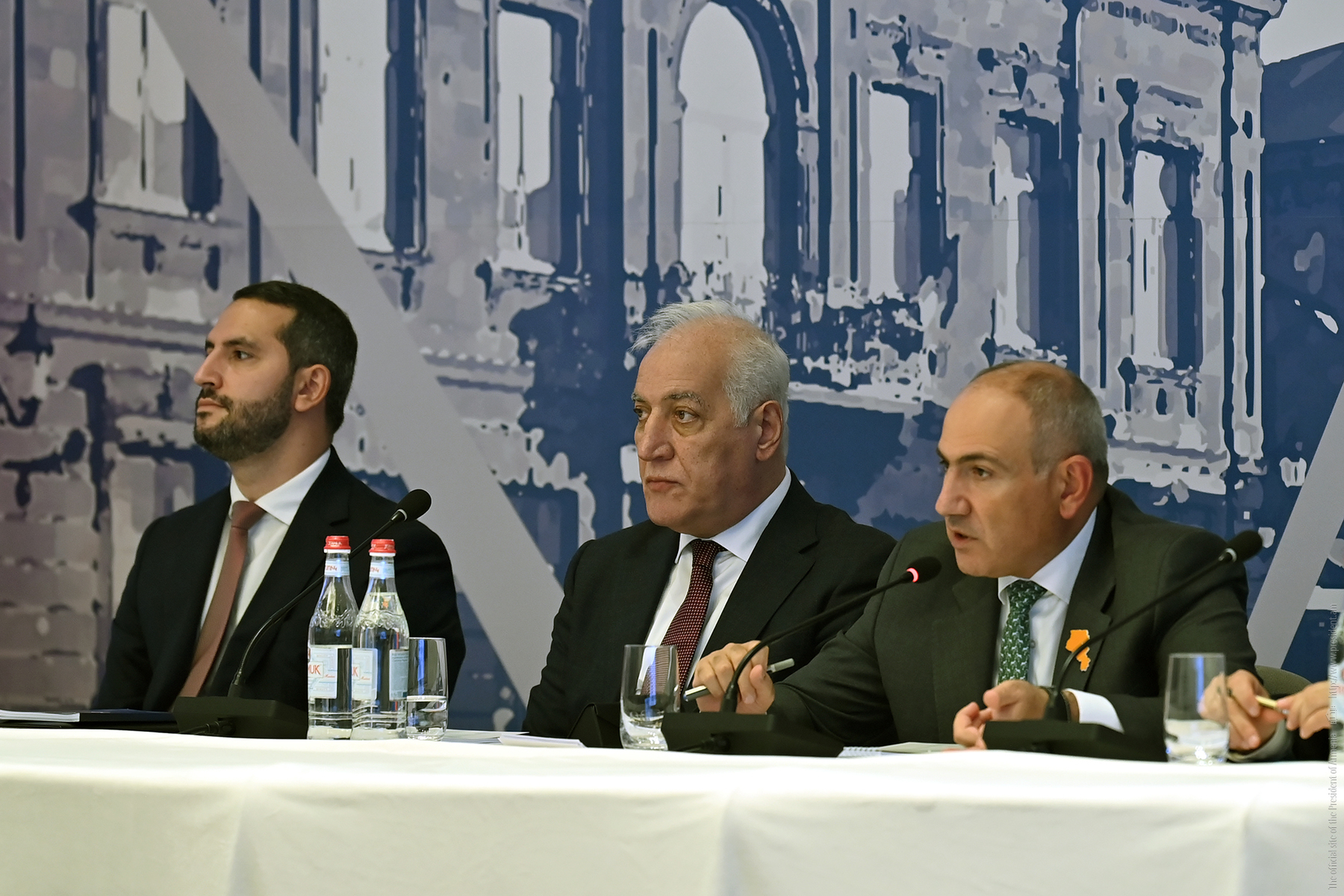
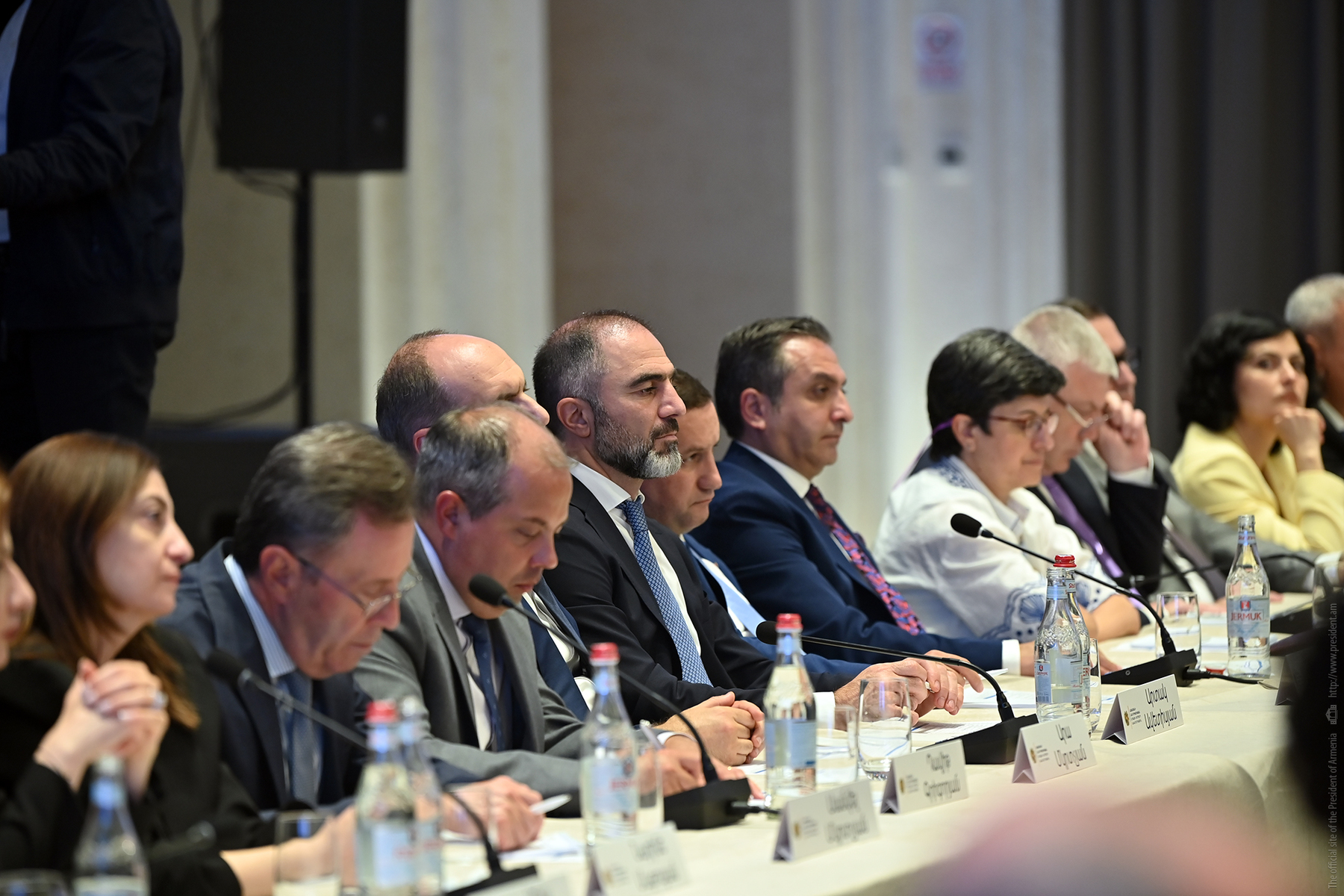
President of the Republic of Armenia Vahagn Khachaturyan delivered remarks at the annual conference of the heads of the diplomatic missions of the Republic of Armenia.
“Thank you for this invitation and for the opportunity to share with you some of my assessments.
We live in a rapidly changing world. The logic of international relations, the forms of interaction between states, economic ties and, naturally, the tools of diplomacy are all changing.
Armenia is also changing as a sovereign state—with its state capacities, economic and social potential, international ties, and the way it perceives its role in the world. The evidence of this is the extraordinary changes that have taken place in our country and in relation to our country over the past year.
Under these circumstances, we must not only preserve the traditional and fundamental functions of our diplomacy, but also expand their content through new approaches and changes.
Representing Armenia, political dialogue, protecting the interests of our citizens, as well as consular and protocol work, remain the foundation of diplomatic service. But modern diplomacy is no longer merely about maintaining established relations. It is also about creating new relations, identifying opportunities and making them accessible to Armenia.
It is noteworthy that, under these changing conditions and circumstances, the Government decided to expand the functions of the Ministry of Foreign Affairs to include international trade. This, of course, is not merely a change in name, but a significant additional workload which, in my deep conviction, should have been entrusted precisely to the MFA. Let me remind you that, for a brief period following the Soviet era, in 1990–1991, this function was carried out by Armenia’s Ministry of Foreign Economic Relations, after which it was simply transferred to the Government.
Let us acknowledge that diplomacy is not limited exclusively to political relations, particularly since in today’s world they are also closely interconnected with economic factors. Therefore, from now on, the MFA’s “traditional functions” will be supplemented by economic and, if you will, commercial diplomacy.
I fully share the view of the Prime Minister of the Republic of Armenia that the activities of ambassadors should also be assessed based on the volume and growth of our trade and economic relations with the respective country. It is important to measure the results of a diplomatic mission’s work by practical outcomes as well—by deepening economic ties and ensuring opportunities for Armenian businesses to enter international markets. I believe a clear task should be set: to promote bilateral trade turnover and, even more importantly, to showcase Armenia’s investment attractiveness.
In this context, I would suggest making more active use of business forums, B2B meetings and round-table discussions, perhaps incorporating them into the programme of every high-level visit. It is well known that businesses find their own way and that the state has a limited role to play in this regard. However, I believe that providing an appropriate format—a unique platform, and ensuring the participation or presence of the countries’ leadership at such events could serve as an additional guarantee for creating an atmosphere of mutual trust.
Before concluding my remarks, I would definitely like to address the ideology and philosophy of the “Real Armenia” concept, within the context of assessing the 35th anniversary of the independence of the Republic of Armenia.
What happened in 1991, I mean the independence referendum, was not subsequently consolidated in any way into the substance of independence. On the contrary, over the years, it devalued the very meaning of independence, disappointing and disillusioning many people and distancing them from the aspiration to have an independent and sovereign state. Over the years, our country became a clan-based, corrupt state whose existence ultimately depended solely and exclusively on a “third force.”
“The challenge is to make politics more responsive to the demands of its own citizens, so that through the political process Armenia ceases to be oligarchic and instead becomes a society that provides much greater incentives for the majority of its citizens, enabling them to make use of its significant potential.” These are the words of Acemoglu.
“I am not, of course, an expert on Armenia, but I can say that Armenia’s problem is not geographical, cultural, or geopolitical, but political.” He spoke about this back in 2013, during an online economic conference held at the State University. And his assessments are simply one hundred percent accurate.
The situation changed after the 2018 Velvet Revolution, when the authorities began a consistent fight against phenomena that particularly hindered the improvement of domestic life—corruption, patronage, and the elimination of privileges, the liberalization of business. Unfortunately, solutions to external issues, which had long been at an impasse, had become impossible to achieve, both due to the wishes of the conflicting parties and those of the mediators.
Let me remind you once again that the guiding ideology of the Third Republic was the “exclusion of a third force”, who abandoned this principle, when, and why—this question has still not been answered.
On the one hand, the question arises as to why, prior to the Velvet Revolution, the Armenian authorities did not practically formalize the unification of Nagorno-Karabakh with Armenia, instead negotiating with Azerbaijan for more than a quarter of a century over some “status,” while at the international level advancing the objective of “recognizing and exercising the right to self-determination.” I share the assessment that, in fact, from 1994 to 2022, Armenia as a state suffered from a “duality complex”: in domestic life, it acted as a “claimant,” while in the outside world it presented itself as a subject of international law.
What happened subsequently required a new approach and a realistic assessment of the situation, and the 2022 Prague summit became the beginning of this process. It became the starting point that made it possible for Armenia to act as a fully sovereign, independent and predictable country, willing to face reality and, based on that reality, make, why not, painful, yet rational, pragmatic and necessary decisions for the state. The difference between the descriptions of foreign policy in the Government Programmes for 2021–2026 and 2026–2031 is itself evidence of this.
The most important message is the message of peace and the Republic of Armenia’s readiness to make it a reality, through a balanced and balancing foreign policy.
I wish you productive work and success in protecting and advancing the interests of the Republic of Armenia.”