Press releases
President Vahagn Khachaturyan delivered opening remarks at the Yerevan Dialogue forum panel discussion
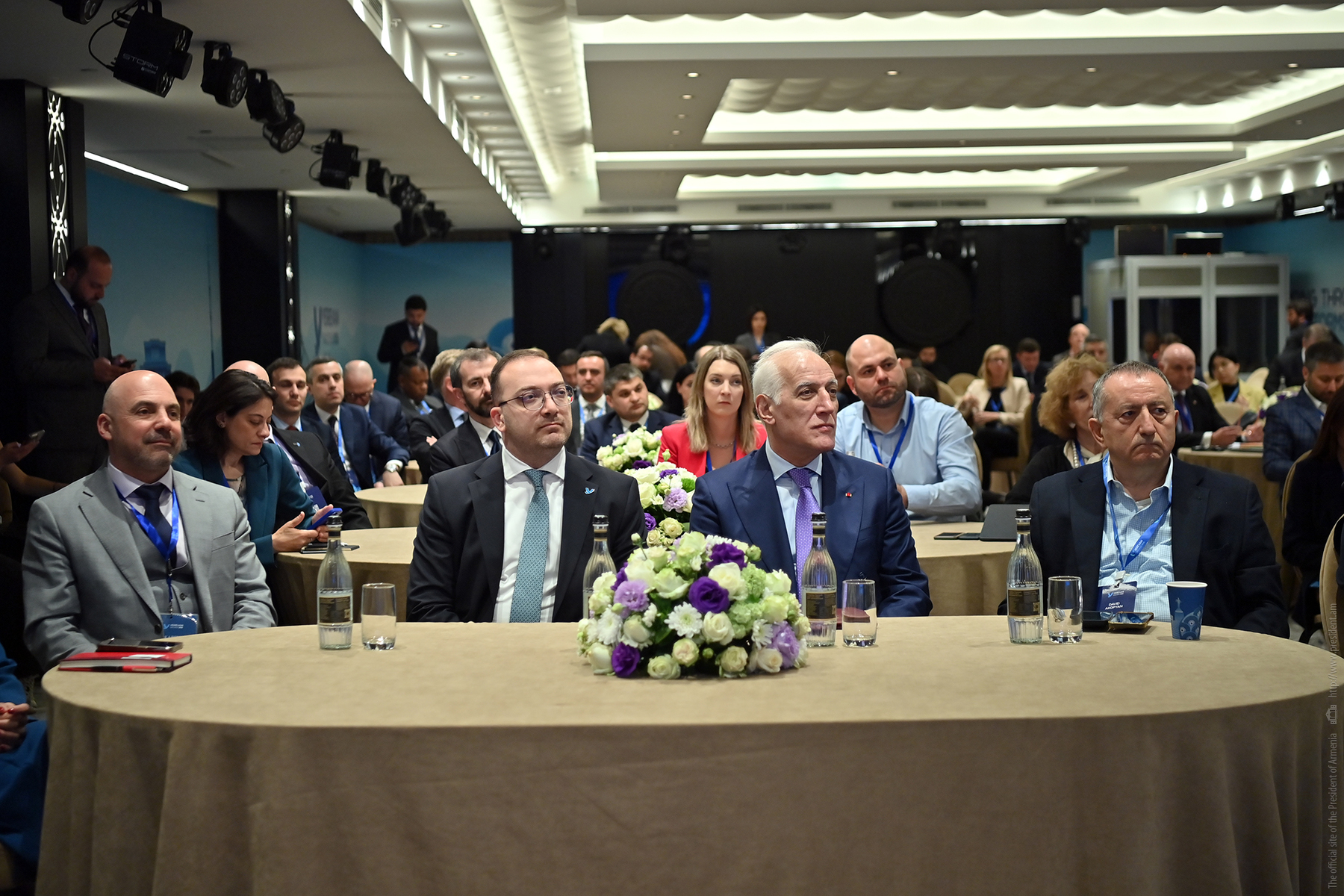
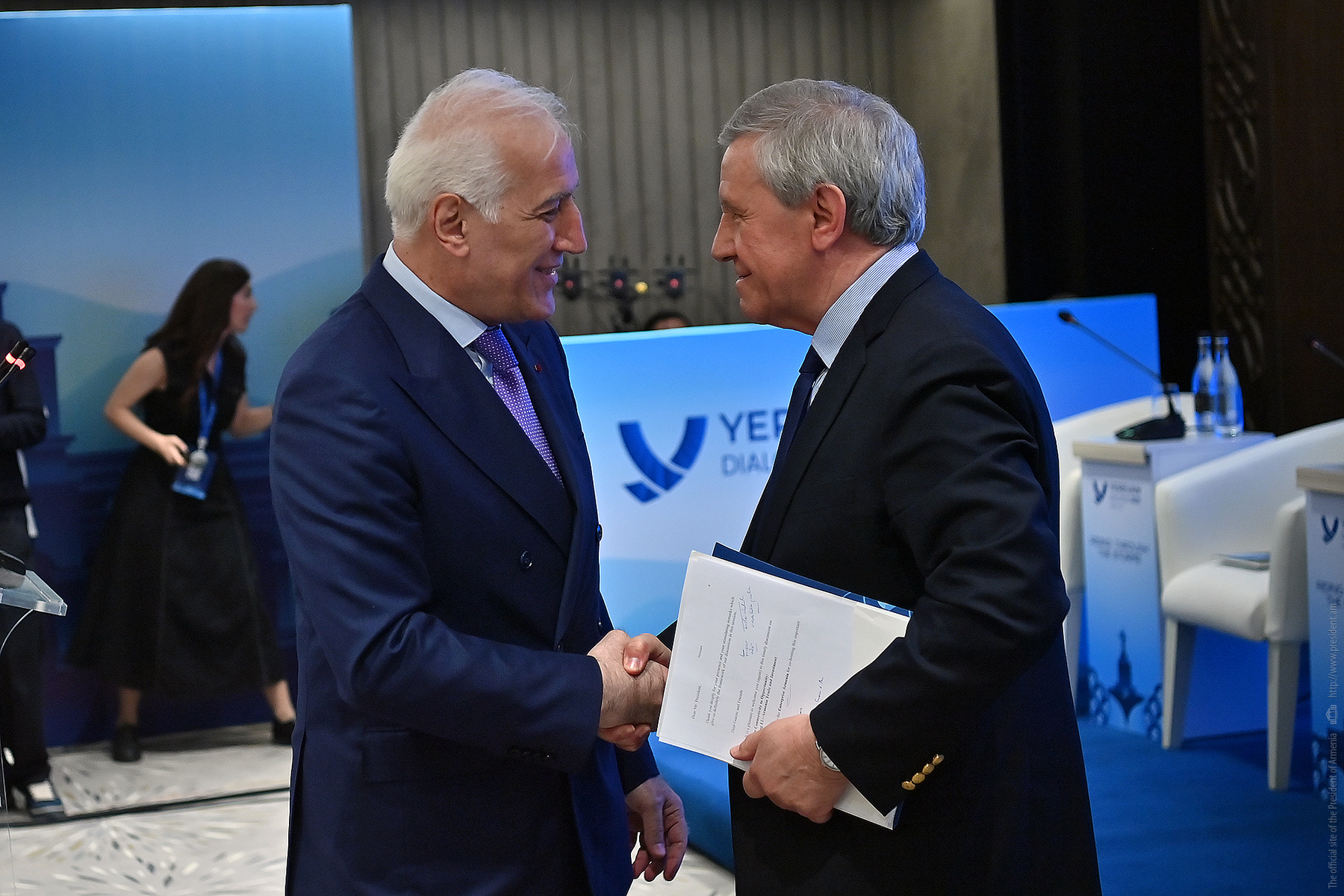
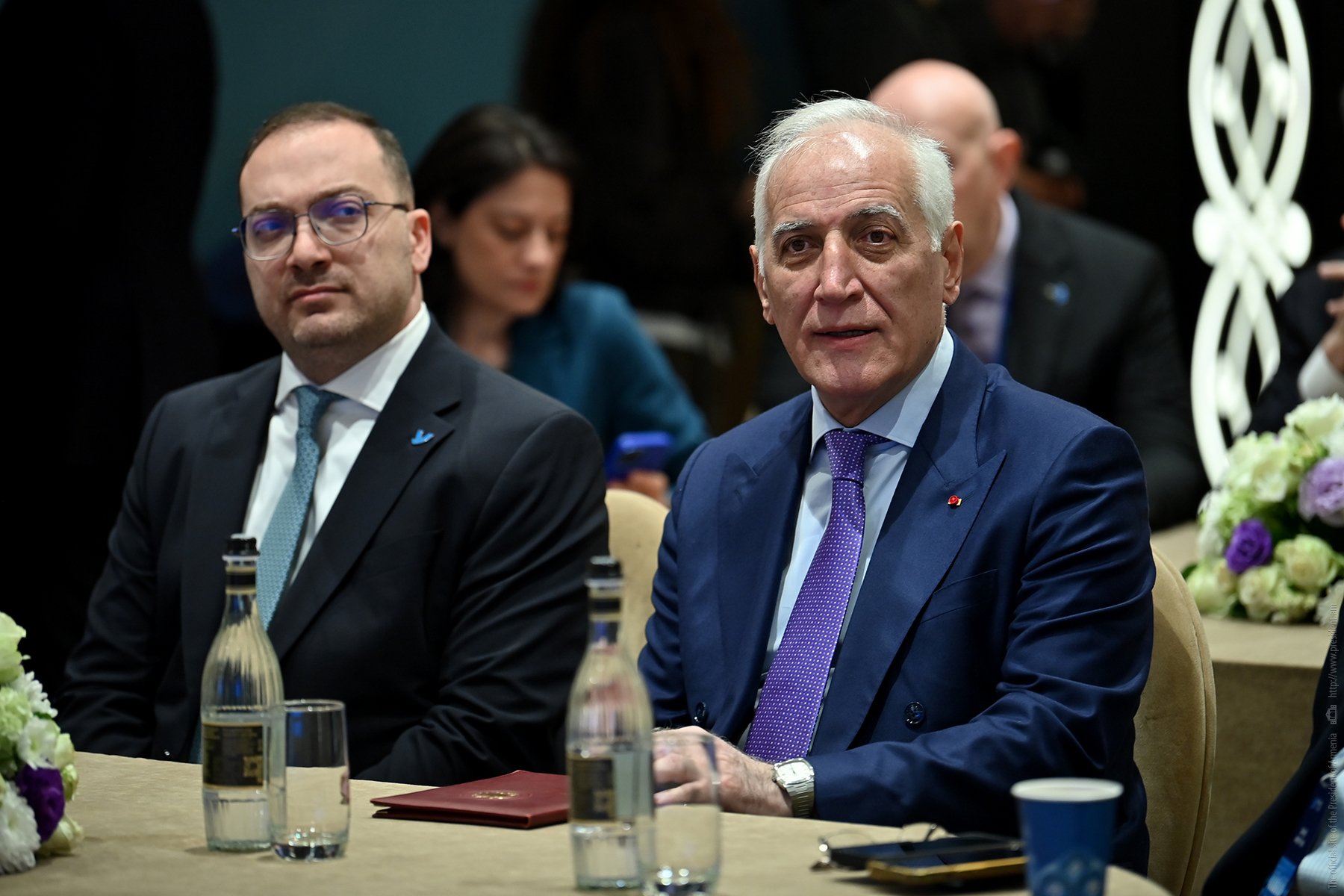
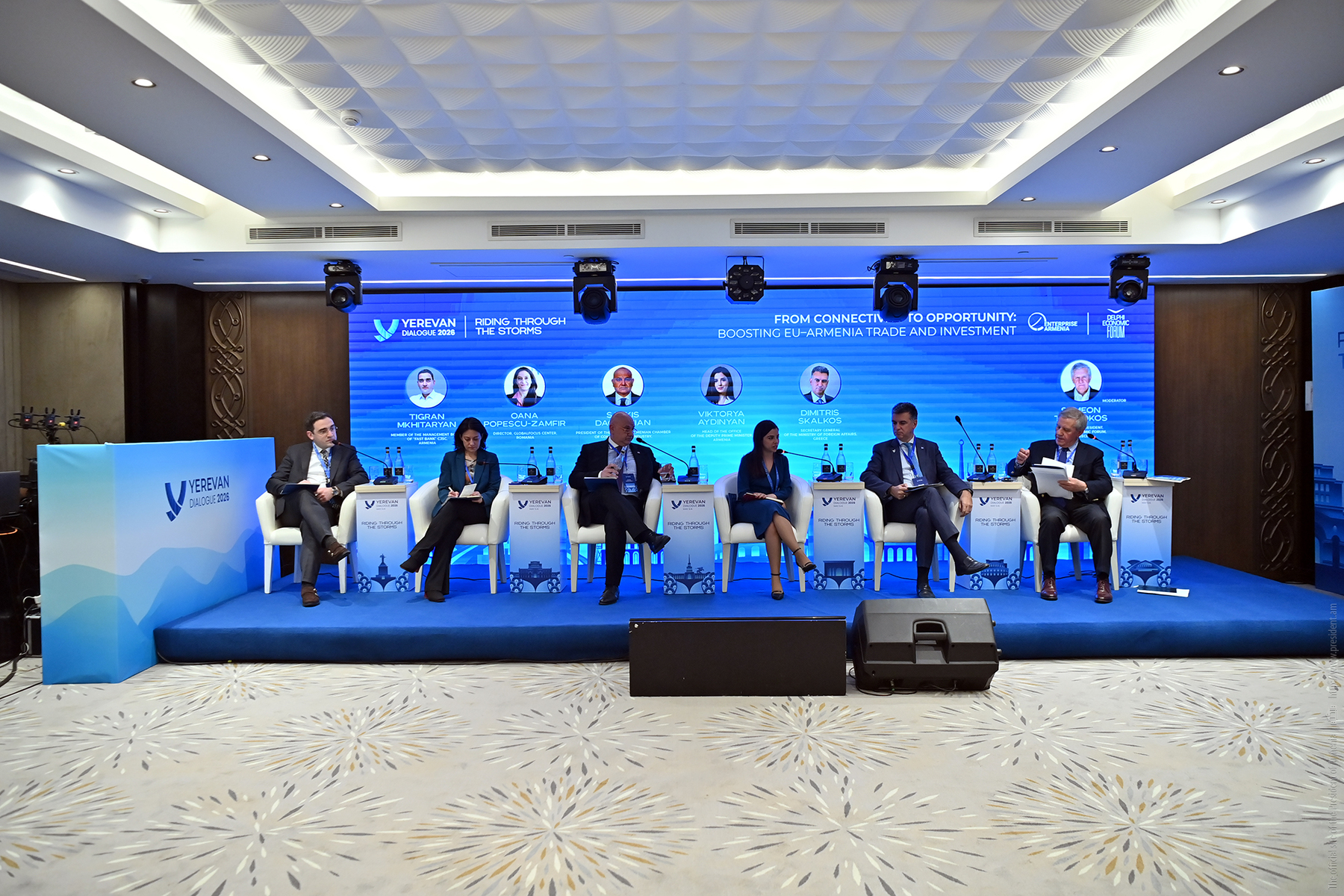
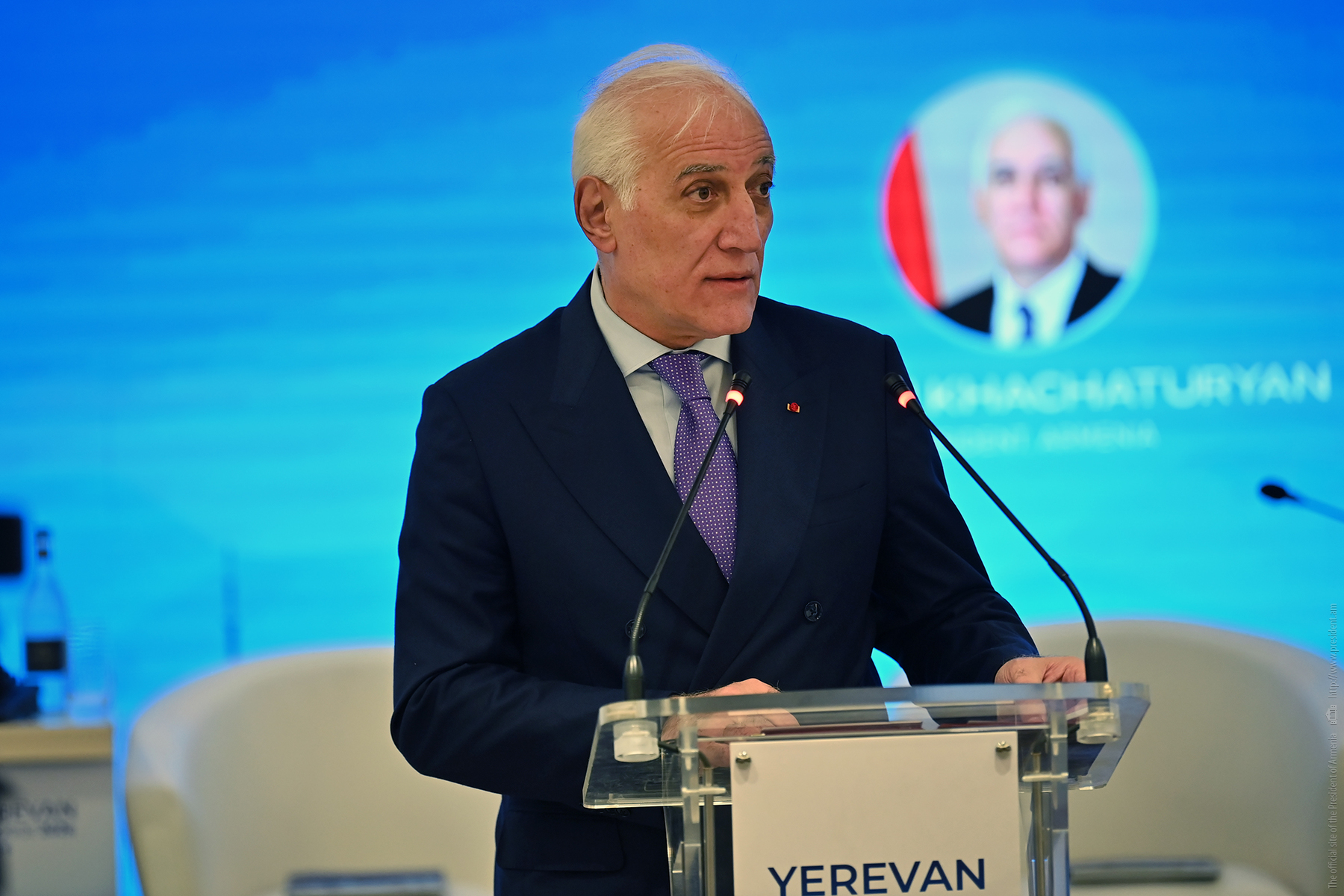
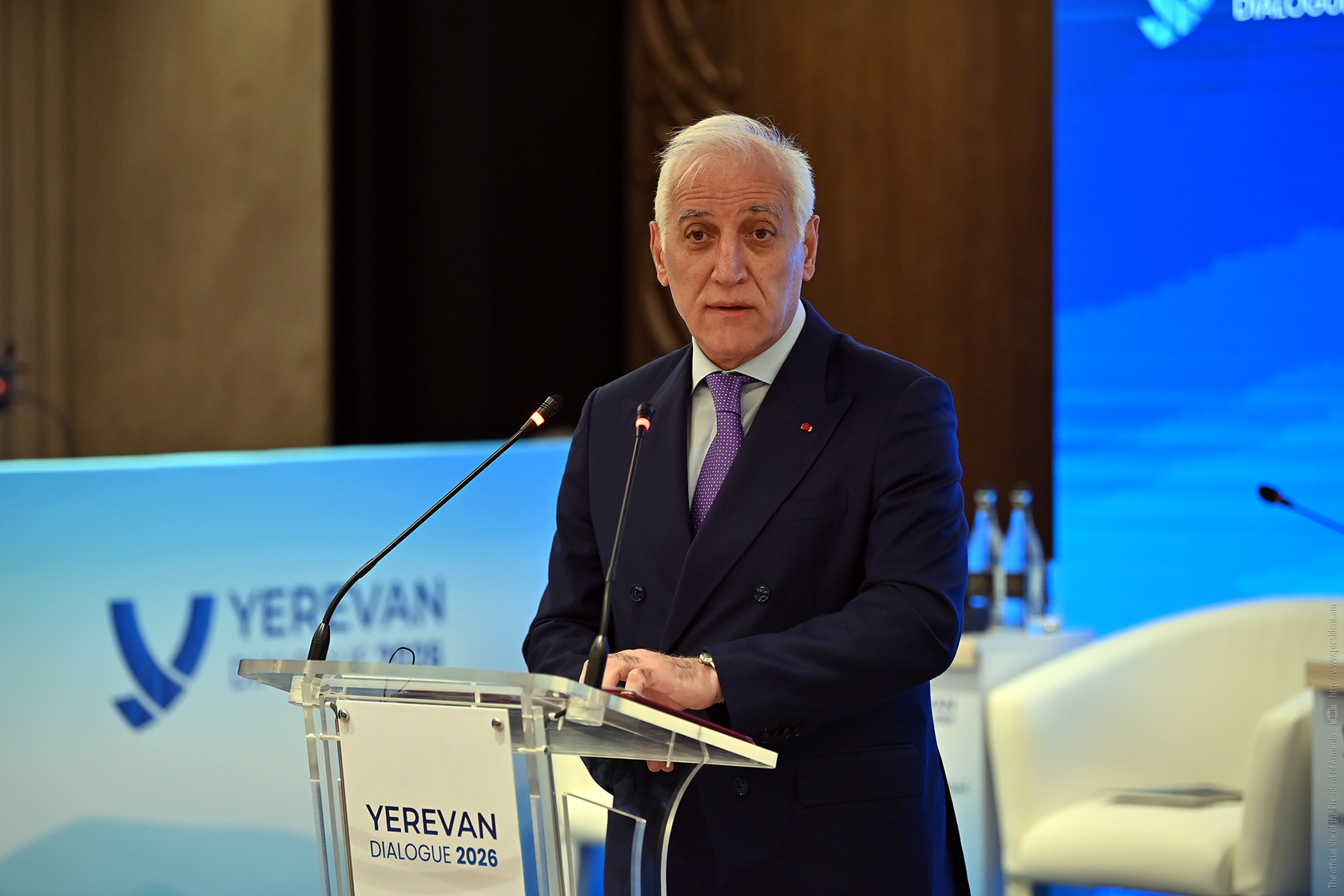
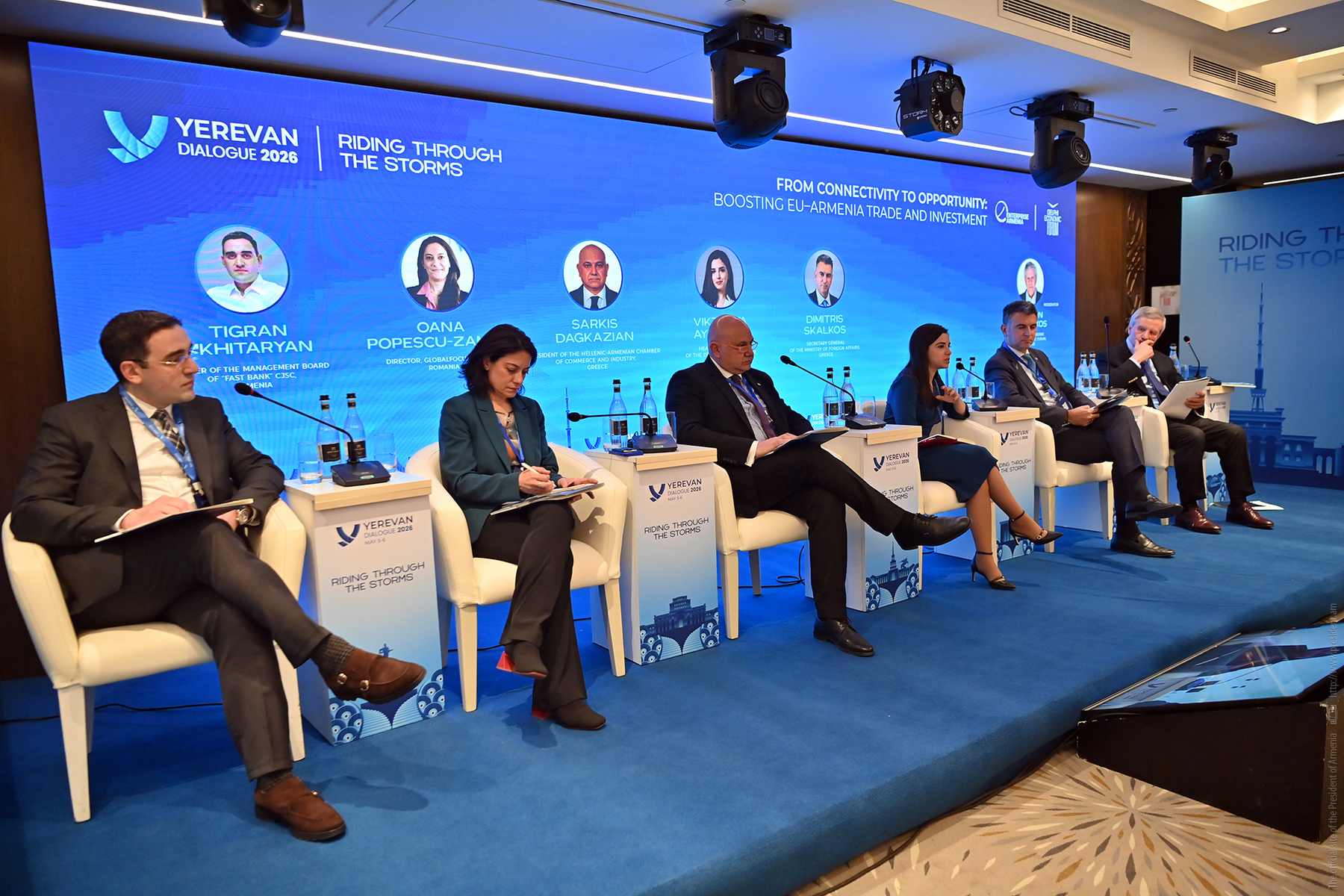
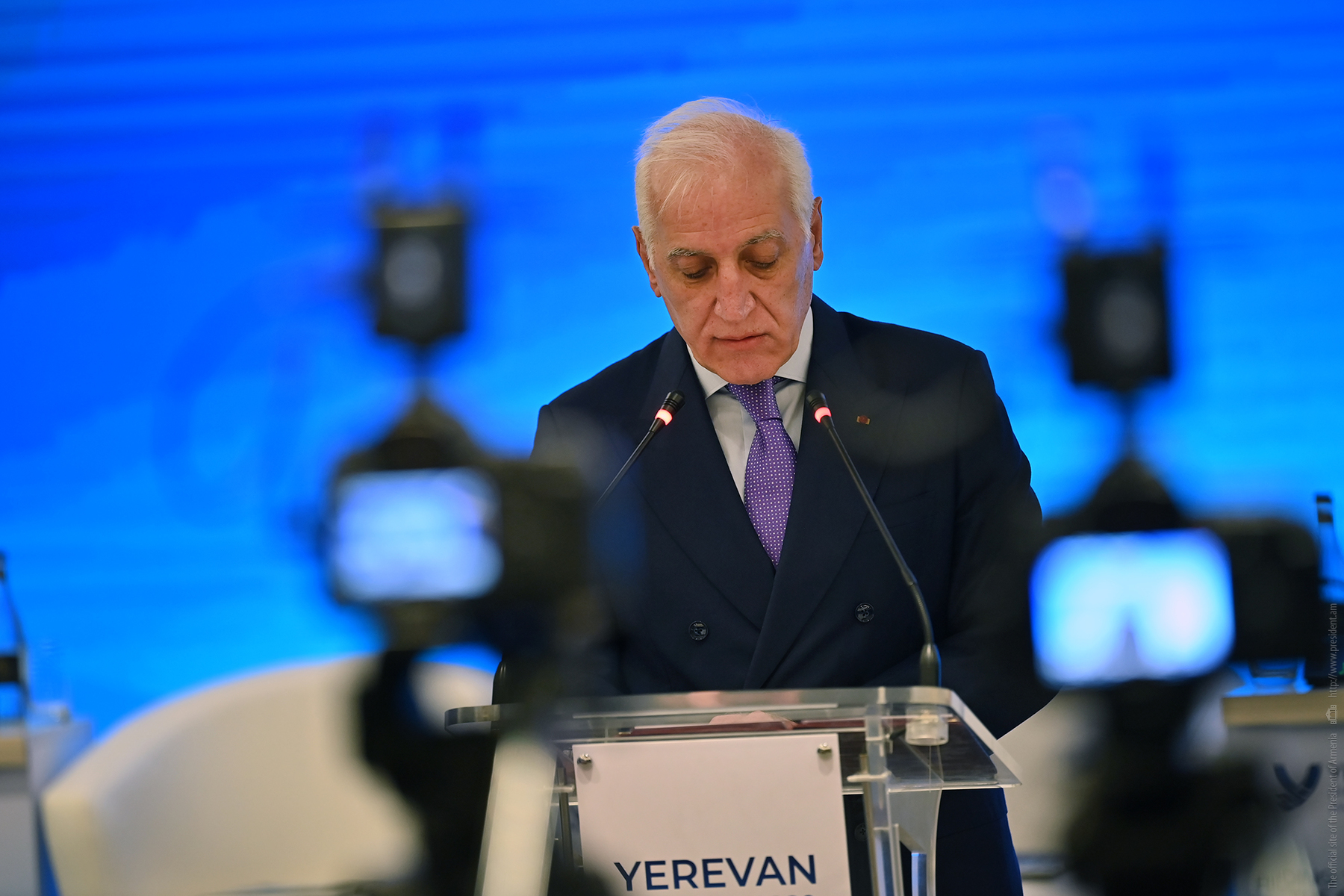
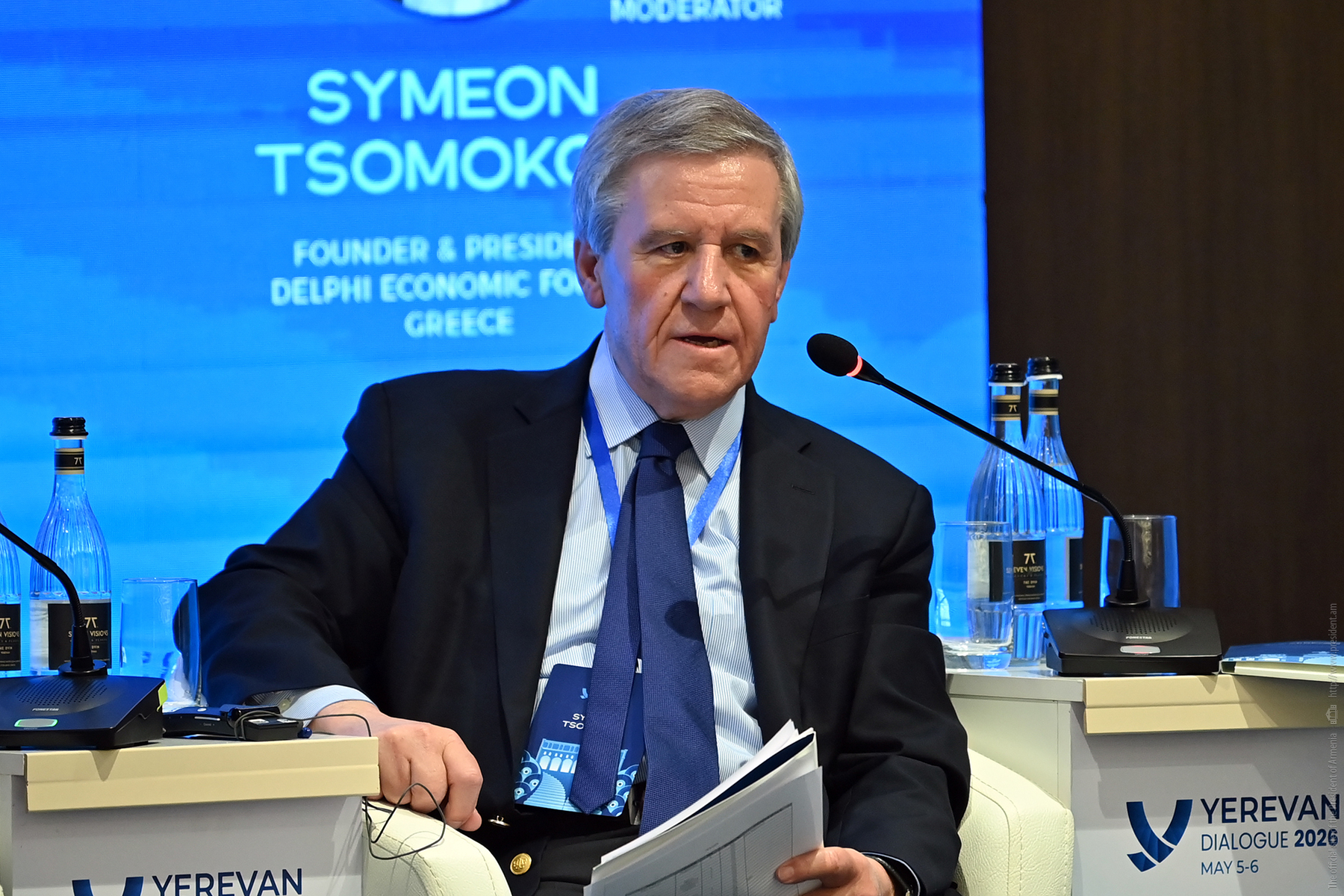
President of the Republic Vahagn Khachaturyan delivered opening remarks at the panel discussion titled “From Connectivity to Opportunity: Boosting EU-Armenia Trade and Investment” held within the framework of the Yerevan Dialogue international forum.
“At the outset of my remarks, I would like to congratulate all of us on the successful hosting in Yerevan over the past days of several major events of international significance, including the 8th Summit of the European Political Community, the first Armenia-EU Summit, the first state visit to Armenia by the President of the French Republic, and of course the third edition of the Yerevan Dialogue forum.
While preparing my speech, I recalled that back in the autumn of 2025, when Armenia confirmed its bid to host the 8th European Political Community Summit, the Prime Minister of Armenia particularly emphasized that one of the main themes of the Yerevan summit would be “connectivity.”
Today, Armenia stands at the crossroads of expanding connectivity opportunities. However, connectivity gains value only when it creates visible and tangible opportunities and is based on peace. Fortunately, today we can state that this is real and achievable.
Let us acknowledge that connectivity means reopening transport routes, enabling free trade, and contributing to broader economic networks connecting different regions, including Europe and Asia. In this sense, the South Caucasus can become a unique hub at the crossroads of North-South and East-West routes.
It is evident that the “Crossroads of Peace” initiative, the implementation of the Middle Corridor, and the uninterrupted connection of goods, energy, and fiber-optic cables between Europe, the South Caucasus, and Central Asia represent a shared interest for all sides.
In this regard, the normalization of Armenia-Azerbaijan relations can become the key factor that transforms our region’s interconnectedness into real economic opportunities and outcomes.
It is noteworthy that years ago, when the Eastern Partnership format was launched in Prague in 2009, the South Caucasus was viewed as the frontier or conditional border of the “European neighborhood,” whereas today no project can have strategic significance or fully realize its potential unless it is linked to Central Asia and subsequently the Far East.
The reopening of all transport routes has long been among the priorities of the Armenian government. When Armenia introduced the “Crossroads of Peace” initiative in October 2023, its core idea was to connect the vast regions of the South Caucasus and Eurasia through roads and railways, as well as energy communications such as gas pipelines, cables, and power transmission lines.
Under the implementation of this project, the shortest route between the Black Sea and the Persian Gulf would operate through the territories of Iran, Armenia, and Georgia (in the North-South direction), while the shortest route between the Caspian and Marmara seas would function through Azerbaijan, Armenia, and Türkiye (in the East-West direction).
Simultaneously with the presentation of the project, expert discussions began regarding its main economic components, profitability, and efficiency.
However, it should be acknowledged that making precise or even approximate calculations is rather problematic, since we are talking about vehicles, cargo, passengers, pipelines, cable routes, power lines, and parallel infrastructure whose actual scale is yet to be assessed. Nevertheless, one thing is clear: the opening of routes leads to economic freedom, which in turn fosters open market relations, direct investments, and further economic development.
As a scientist-economist who has spent many years engaged in both the theoretical and practical aspects of economics, I would note that the project proposed by the Armenian government, which also includes the TRIPP initiative, can be viewed through the lens of the landmark works of two great economists—Adam Smith’s “The Wealth of Nations” and Milton Friedman’s “Capitalism and Freedom”—which clearly emphasize that “only freedom gives entrepreneurs the opportunity to earn profit, while enabling society to advance its own interests more effectively.”
Again, as an economist, I must state that no commentary can convey the picture of economic recovery as vividly as the indicators presented by impartial sources.
Therefore, I would like to refer to several figures:
In 2025, Armenia’s economy continued its stable growth trend, recording 7.2% economic growth.
In January–March 2026, economic activity increased by 7.1% compared to the same period of the previous year.
In January–March 2026, compared to January–March 2025, exports to the EU increased by 90%, exports to China increased 2.3 times, and exports to the United States increased by 13%.
According to the Heritage Foundation Index of Economic Freedom, Armenia ranked 52nd among 176 countries. In 2025, Armenia ranked 57th with 65.4 points, improving its position by five places.
In 2025, compared to 2024, total investments in Armenia increased by 88%, while direct investments grew 4.6 times—from 131.6 million US dollars to 605.1 million US dollars.
In January–February 2026, the economic activity index increased by 7.4% compared to the same period in 2025.
Armenia recorded growth across all sectors:
Construction — 20.5%
Industry — 17.2%
Foreign trade — 9.3%
Services — 7.2%
Trade — 3.3%
Concluding my remarks, I would like to emphasize that peace between Armenia and Azerbaijan, normalization of Armenia-Türkiye relations, the TRIPP Route project, Armenia and Azerbaijan’s good-neighborly relations with Georgia and Iran, the deepening of strategic partnership with the EU, and constructive dialogue with Russia can truly make the South Caucasus one of the most attractive regions and one of the key transit corridors for North-South and East-West routes.
I assure you that Armenia will work vigorously toward realizing this historic opportunity.”